Deck Railing Installation in La Jolla, CA
Professional deck railing installation for La Jolla homeowners who need a safe, code-conscious railing system that holds up to coastal salt air while matching the style of their deck.
What Is Deck Railing Installation?
Deck railing installation is the process of designing, fabricating, and securing a railing system along the perimeter of a deck, staircase, or elevated walking surface. Its core purpose is safety: preventing falls from an elevated deck while providing a stable handhold on stairs.
The process typically starts with post attachment, since the connection between the railing posts and the deck’s structural framing is what determines how stable the entire system will be over time. From there, the horizontal top and bottom rails, and the infill material, whether that’s balusters, cable, glass panels, or composite spindles, are installed to complete the system.
Railing remains one of the most visually noticeable parts of a deck, which is why material and style selection carries real weight in a project’s overall design, in addition to its safety function.
Typical homeowners who request railing installation include those finishing a new deck build, those replacing railing on an aging deck that’s otherwise structurally sound, and those upgrading an outdated railing style as part of a broader home improvement effort.
When Should You Consider Deck Railing Installation?
Several common situations point toward railing installation as a project worth discussing with a contractor.
- Aging decks with original railing. Railing systems installed decades ago often don’t meet current spacing or height expectations and may be due for an upgrade regardless of the deck surface’s condition.
- Structural concerns at post connections. Railing posts should feel completely solid. Any flex or movement points to a connection issue that needs to be addressed.
- Rot at post bases. Wood railing posts exposed to La Jolla’s marine layer without consistent sealing are prone to rot right at the base, where they meet the deck framing.
- Loose or wobbly railings. This is the most common reason homeowners contact us about railing specifically. Wobbling almost always indicates a connection problem, not just a cosmetic one.
- Outdated appearance. Wide-spaced wood balusters or heavy, dated railing styles are commonly replaced with composite, cable, or glass systems during a broader deck refresh.
- Expanding outdoor living space. New sections of deck, added stairs, or elevated walkways all require new railing runs designed to match the existing system.
- Safety concerns for families and guests. Gaps that are too wide, low railing height, or unstable stair railings are common reasons homeowners prioritize this project.
If any of these describe your current deck, it’s worth having a professional inspect the railing’s structural connections before deciding on repair versus full replacement.
Complete Deck Railing Installation Services
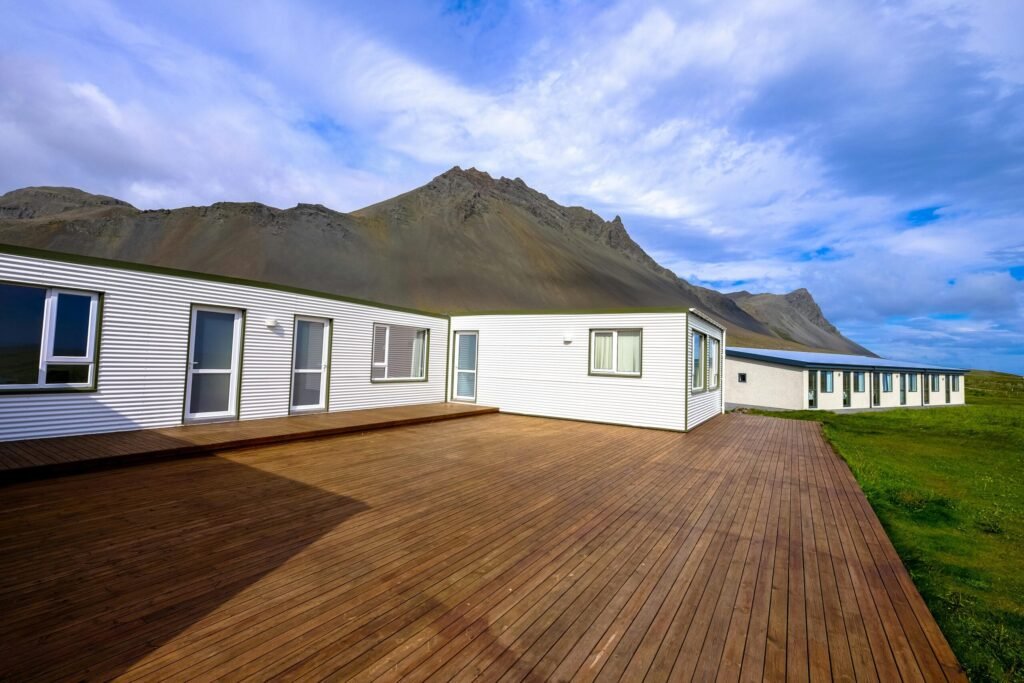
Composite railing installation
Low-maintenance railing systems matched to composite decking.
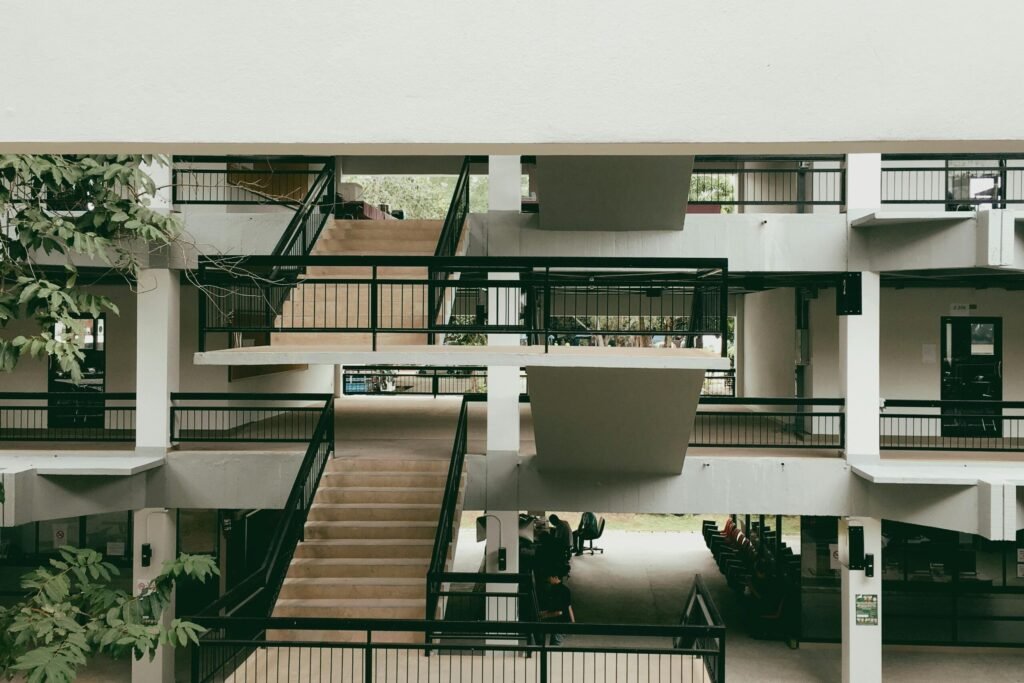
Wood railing installation
Pressure-treated, cedar, or redwood railing matched to a wood deck.
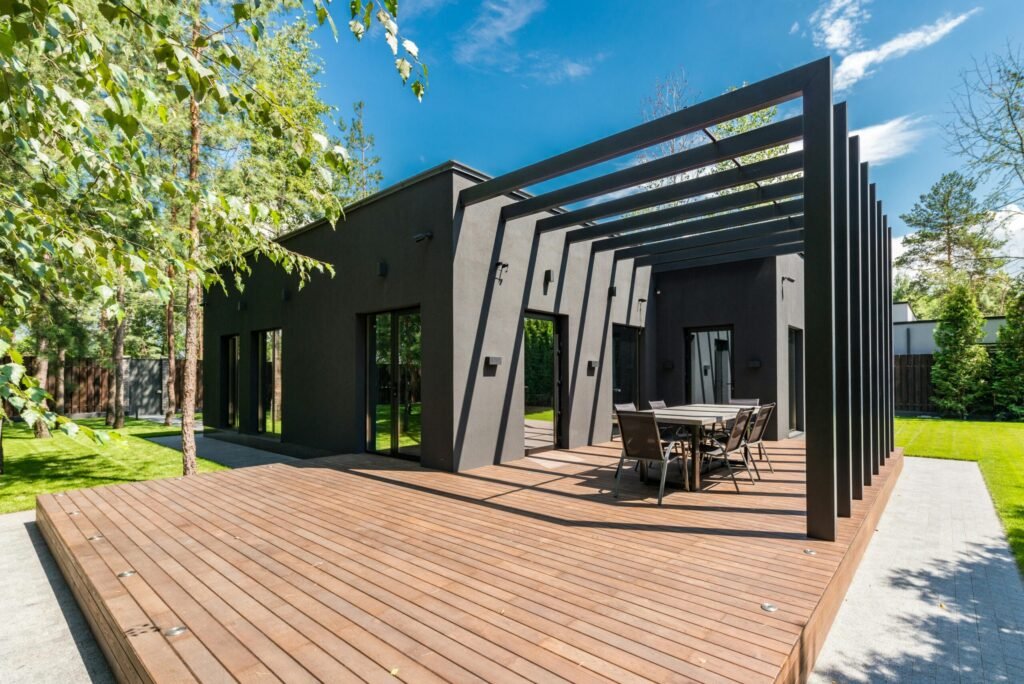
Cable railing installation
Stainless steel cable systems designed to preserve open views.
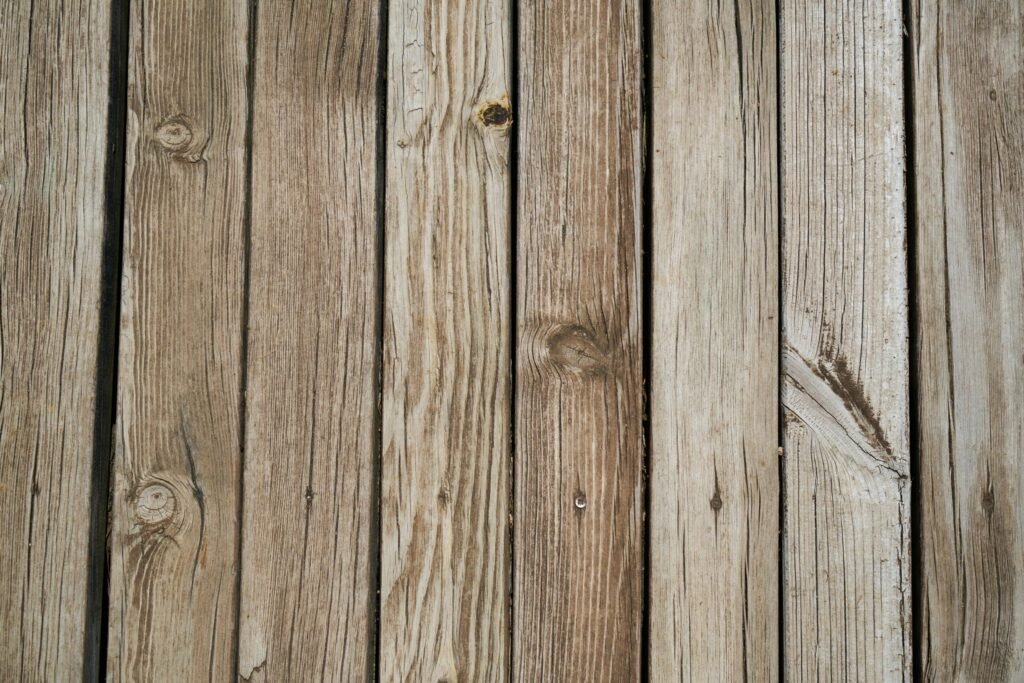
Glass panel railing installation
Tempered glass infill for a fully open sightline, common on view properties.
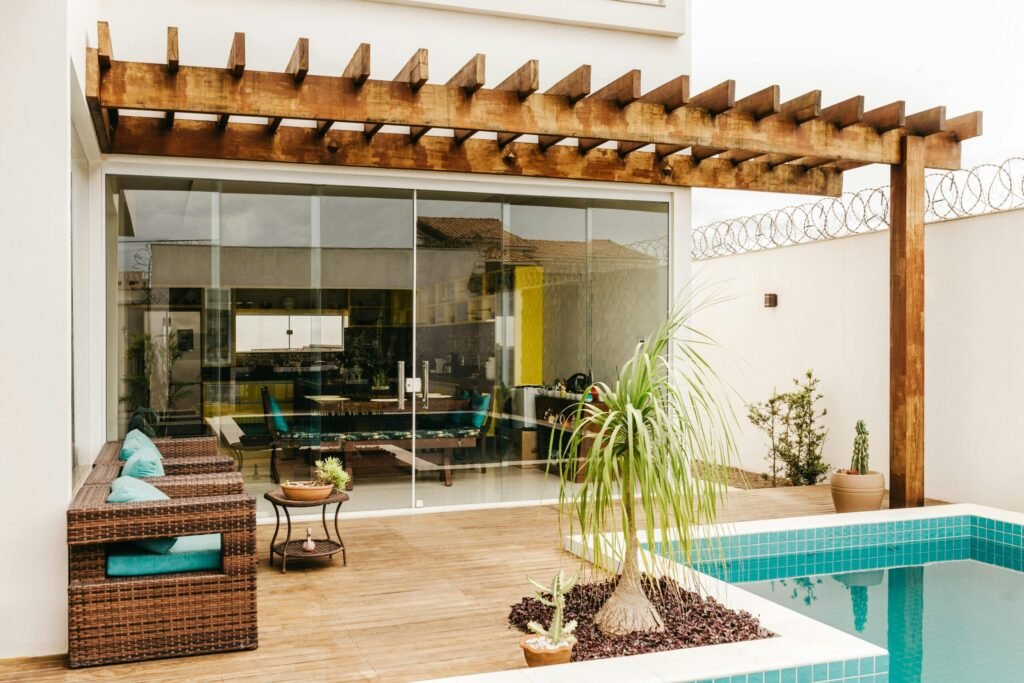
Aluminum and metal railing installation
Low-maintenance metal railing systems for a modern, clean-line look.
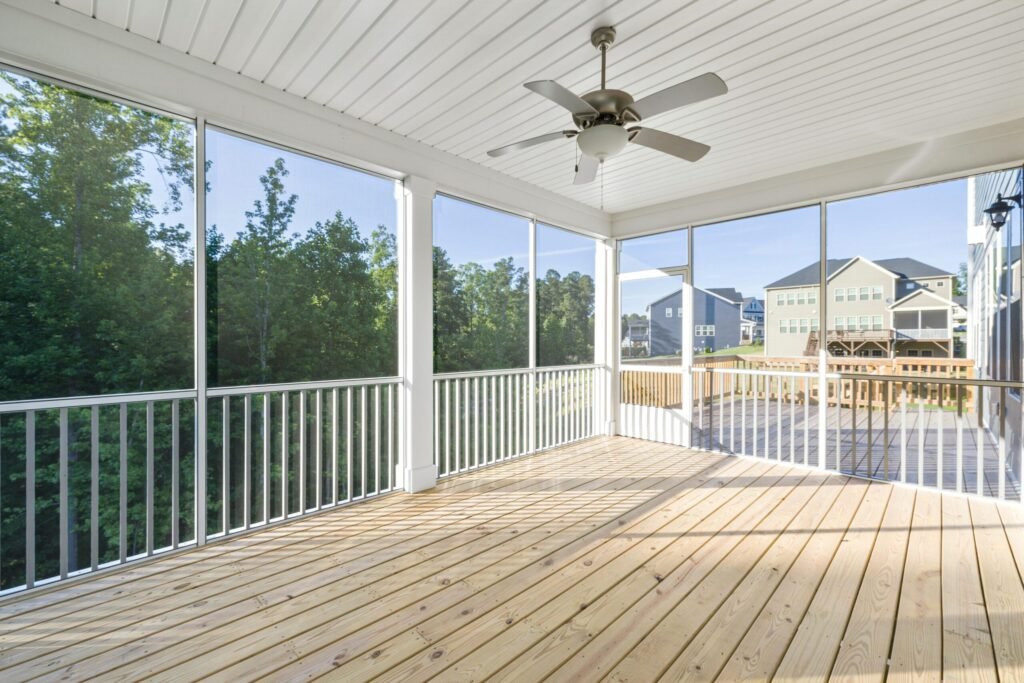
Stair railing and handrail construction
Code-conscious railing and handrails designed specifically for deck stairs.
La Jolla's Coastal Climate and Your Deck Railing
La Jolla’s coastal climate has a direct impact on railing performance, arguably even more than it affects the decking surface, since railing posts and fasteners are the connection points most exposed to moisture and salt.
La Jolla sits right on the coast, which means railing systems here deal with consistent salt air, a heavy marine layer through spring and early summer, and strong year-round UV exposure, conditions that are more pronounced here than in inland San Diego neighborhoods.
Relative humidity in La Jolla typically climbs to around 70% during May and June as the marine layer settles in, then drops to its lowest point, in the high 50s, by November. For wood railing specifically, that swing between damp coastal air and drier fall conditions puts real stress on post bases, where moisture tends to collect and linger longest.
UV exposure adds to the challenge, with La Jolla seeing its strongest sun during summer months and meaningful exposure continuing through much of the rest of the year. This accelerates fading and surface breakdown on unsealed wood railing in particular.
Salt air is often the most significant factor for railing hardware specifically. Metal fasteners, brackets, and cable hardware exposed to airborne salt near the coastline are prone to accelerated corrosion if the wrong hardware grade is used. This is a major reason we pay close attention to fastener and hardware selection, particularly stainless steel grade, on railing projects in La Jolla.
None of this means any particular railing material is off the table in La Jolla. It means hardware selection and maintenance schedule matter more here than they would inland, and it’s something we account for on every railing project regardless of which material you choose.
Choosing the Right Materials
There isn’t one railing material that’s correct for every homeowner. The right choice depends on your budget, your deck’s overall material, and how much maintenance you’re willing to take on.
Composite Railing
Composite railing is manufactured to match composite decking and is built from similar wood-fiber and recycled plastic blends.
Benefits: Highly resistant to rot, splintering, and fading. Matches composite decking for a consistent, low-maintenance look throughout the deck.
Drawbacks: Higher upfront cost than wood railing, and fewer ultra-slim profile options compared to cable or glass systems.
Maintenance: Occasional washing to remove dirt or salt air residue; no staining or sealing required.
Lifespan: Typically rated for 25 to 30+ years, often backed by manufacturer warranties in that range.
Best use cases: Homeowners with composite decking who want a matching, low-maintenance railing system.
Pressure-Treated Wood Railing
Pressure-treated wood railing remains one of the most common and affordable railing options, particularly on wood decks.
Cost: Generally the most affordable railing material upfront.
Appearance: Traditional wood look that can be stained a range of colors to match or contrast with the deck surface.
Maintenance: Requires staining or sealing roughly every one to three years to prevent rot and UV graying, with particular attention needed at post bases.
Lifespan: Typically 10 to 15 years with consistent maintenance, shorter in coastal conditions without it.
Best applications: Homeowners with a wood deck who want a matching railing material and are comfortable with a regular maintenance schedule.
Cedar & Redwood Railing
Cedar and redwood railing offers a premium natural look that pairs well with cedar or redwood decking specifically.
Appearance: Warm, rich tones and natural grain that many homeowners find more attractive than pressure-treated lumber.
Durability: Naturally more resistant to rot and insects than untreated wood, though still dependent on regular sealing for long-term performance in a coastal climate.
Maintenance: Needs periodic staining or sealing, similar to pressure-treated wood, to preserve color and protect the wood at post connections.
Natural beauty: Valued for grain character and the way it complements a cedar or redwood deck surface.
Typical lifespan: 15 to 20 years with consistent care.
Beyond these three, cable and glass railing systems have become increasingly popular for La Jolla properties, particularly those with an ocean or canyon view worth preserving. These systems typically use metal or composite posts with either stainless steel cable or tempered glass infill, offering a more open sightline than traditional baluster railing. We’ll walk through whether this fits your home and view during your consultation as well.
No single railing material is automatically correct. Composite makes sense for homeowners prioritizing low maintenance and a match to composite decking. Wood makes sense for those prioritizing upfront cost or matching an existing wood deck. Cable and glass make sense for homeowners prioritizing an open view. We’ll go through these trade-offs directly with you.
How Much Does Deck Railing Installation Cost?
| Project | Typical Cost Range | Main Cost Factors |
|---|---|---|
| Pressure-treated wood railing (per linear foot) | $35 – $70 | Baluster style, post spacing, height |
| Cedar or redwood railing (per linear foot) | $45 – $85 | Wood grade, baluster style, finish |
| Composite railing (per linear foot) | $45 – $90 | Brand, profile, post caps and lighting |
| Cable railing (per linear foot) | $70 – $150 | Post material, cable spacing, view considerations |
| Glass panel railing (per linear foot) | $100 – $200+ | Glass thickness, post style, panel size |
These figures reflect general Southern California pricing and are not a quote for your specific project. Every railing project is priced individually after a site visit and consultation.
Several factors influence the final cost of a deck railing installation:
- Railing length — longer runs require more material and labor.
- Material selection — wood, composite, cable, and glass carry significantly different price points.
- Stairs — stair railing requires additional angled cuts and hardware compared to straight runs.
- Post spacing and height — code-conscious spacing affects material quantities.
- Lighting — integrated post cap or under-rail lighting adds material and electrical labor costs.
- Demolition — removing an existing railing system adds labor and disposal costs to a replacement project.
- Foundation and framing work — reinforcing post attachment points is sometimes necessary on older decks.
- Site accessibility — decks on sloped lots or with limited access can require additional labor.
- Multi-level designs — decks with multiple elevations require railing at each transition point.
- Custom features — integrated planters, privacy panels, or decorative post caps add to both material and labor costs.
Why Homeowners Choose Deck Builder La Jolla
Quality Craftsmanship
We treat post attachment and structural connections with the same care as the visible railing finish, because those connection points are what determine long-term stability.
Premium Materials
We work with composite, wood, cable, and glass railing systems suited to coastal conditions, and we talk through the real trade-offs between them honestly.
Clear Communication
You’ll know what’s happening at each stage of your project, from initial design through final walkthrough, without having to chase down updates.
Professional Project Management
From permitting considerations to material delivery and crew scheduling, we manage the moving parts of your project so you don’t have to.
Homeowner-Focused Service
Our consultations are built around understanding your safety priorities and design preferences, not upselling features you don’t need.
Contact Deck Builder La Jolla Today
Let’s chat about your ideas! Getting started is easy – simply reach out with details about your Deck project!
Need Help?
Frequently Asked Questions About Deck Railing Installation in La Jolla
Below are some of the most common questions Our Network get from families about Deck Projects. If you have any other questions contact us!
How much does deck railing installation cost in La Jolla?
Most railing projects in the San Diego area range from around $35 per linear foot for pressure-treated wood to $200 or more per linear foot for glass panel systems. The exact cost depends on material, railing length, and stair involvement, so we provide a specific estimate after a consultation.
How long does deck railing installation take?
Timelines vary based on railing length, material choice, and whether structural repairs are needed at post connections. We provide a project-specific timeline estimate during the planning stage rather than a fixed number that applies to every project.
Is composite railing better than wood railing?
Neither is universally better. Composite railing requires less maintenance and generally lasts longer, especially in coastal climates, but costs more upfront. Wood railing costs less initially but requires regular staining and sealing at post bases to reach a comparable lifespan.
How long does deck railing last?
Composite railing is typically rated for 25 to 30 years or more. Pressure-treated wood railing typically lasts 10 to 15 years, while cedar and redwood typically last 15 to 20 years, all depending on maintenance consistency.
Is my current railing safe for kids and pets?
Railing height and baluster spacing both matter for family safety. If you’re unsure whether your current railing meets safe spacing, or if it feels loose at all, it’s worth having it evaluated rather than assuming it’s fine.
Does new railing increase home value?
A well-built, well-maintained deck, including its railing, is generally considered a value-adding feature for a home, particularly in a market like La Jolla where outdoor living space is a strong selling point. The degree of impact varies by home and market conditions, so it’s worth discussing with a local real estate professional if that’s a primary consideration for your project.
Price your railing by the linear foot
Wood, composite, aluminium, cable and glass all sit at very different price points, and stair railing costs more per foot than deck railing. The calculator prices both, and tells you whether the code requires a guard here at all.
Every calculator gives a planning range with a full cost breakdown — it is not a contractor quote.
Talk to a Deck Builder in La Jolla
Whether you’re in Bird Rock, Muirlands, La Jolla Shores, The Village, Windansea, Hidden Valley, La Jolla Farms, or any other La Jolla neighborhood, getting your railing right starts with understanding your material options, your safety priorities, and how your home’s coastal environment factors into hardware selection and maintenance.