Deck Builder in La Jolla, CA
Looking for a deck builder in La Jolla, CA? A La Jolla deck needs to handle steady ocean exposure and often a dramatic, view-oriented lot — built with the craftsmanship this coastal community expects.
Deck Services in La Jolla
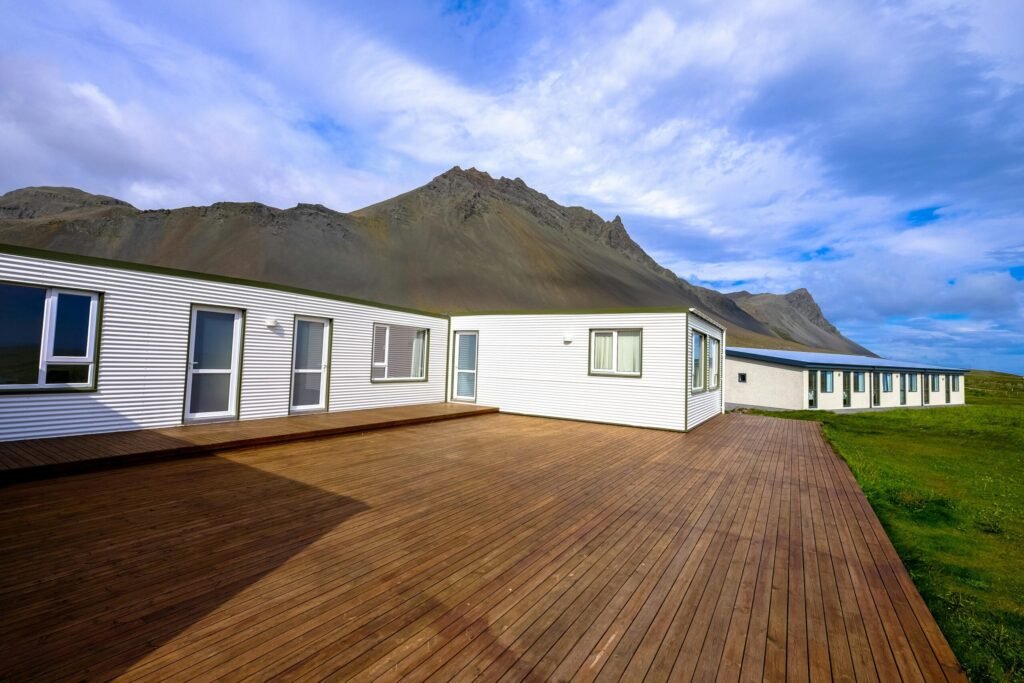
Deck Installation
New deck installation in La Jolla frequently involves hillside or cliff-adjacent lots where structural engineering plays a much larger role than on flat ground. Footing depth, foundation design, and framing all need to account for slope, soil conditions, and, in many cases, dramatic elevation change.
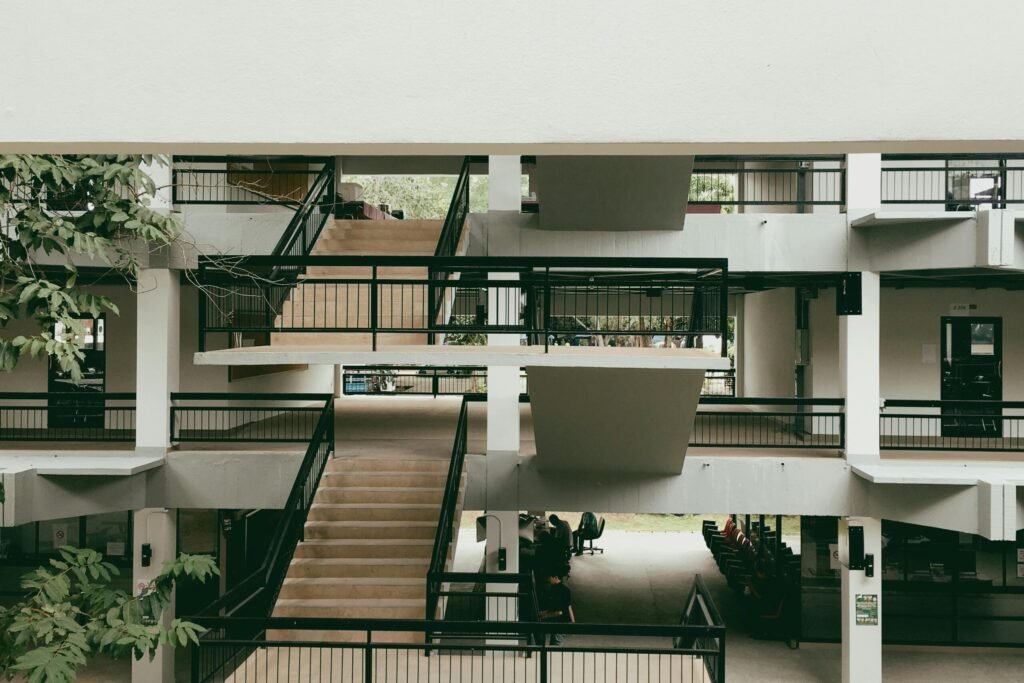
Deck Repair
Repair is often the right choice when a deck’s underlying structure remains sound but individual components — boards, railings, stairs, or hardware — have deteriorated from sustained salt air and sun exposure. This is common with older La Jolla properties that have decks original to the home.
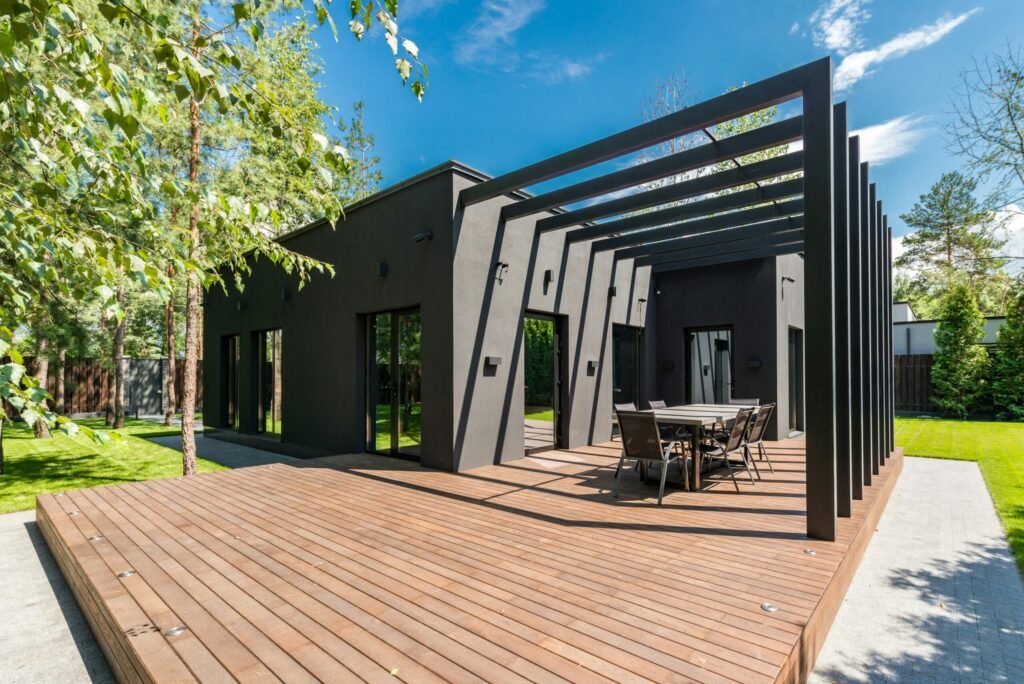
Deck Replacement
Replacement becomes the better option when a deck shows structural wear beyond individual components, such as failing footings, rotted framing, or significant hardware corrosion — a realistic scenario for older La Jolla homes that have never had structural updates.
Composite Deck Installation
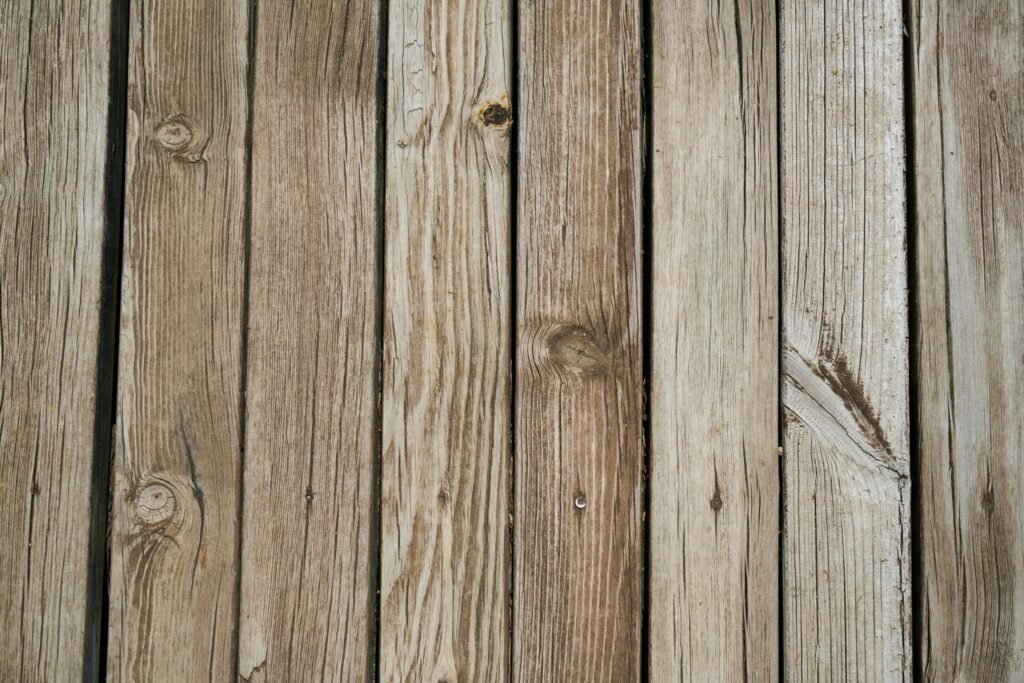
Composite decking is a strong option for La Jolla’s coastal conditions, offering resistance to fading, splintering, and moisture damage without the recurring maintenance wood requires. This is particularly valuable on larger or harder-to-access decks where ongoing upkeep is more difficult.
Wood Deck Construction
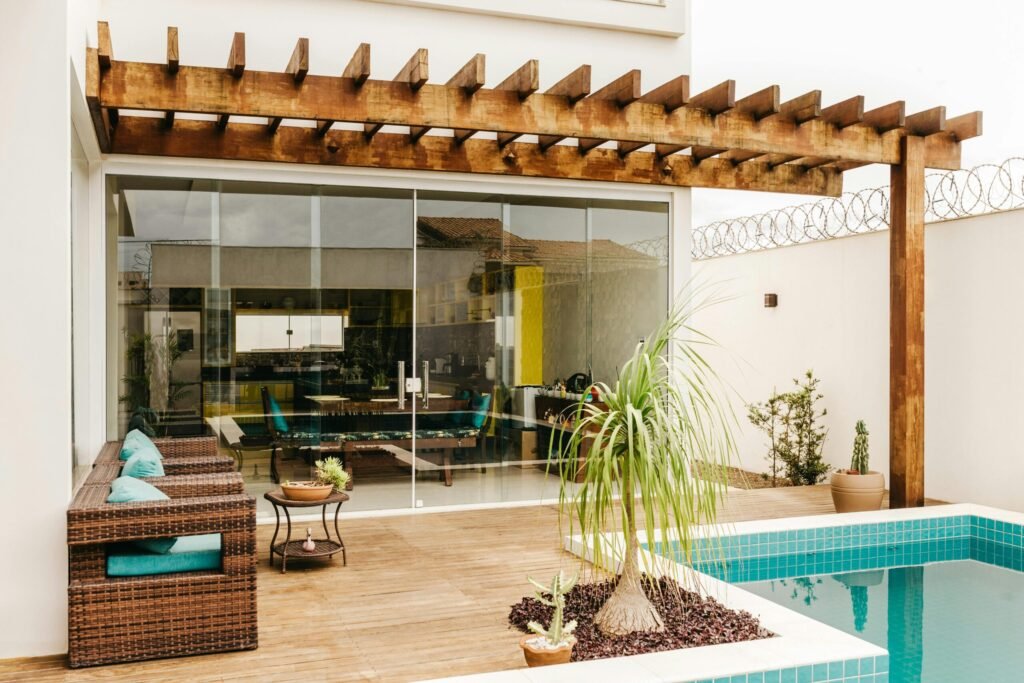
Traditional wood decking remains a fitting choice for homeowners who want a deck that complements La Jolla’s Spanish and Mediterranean-influenced architecture, where natural wood often pairs particularly well with the overall aesthetic.
Deck Railing Installation
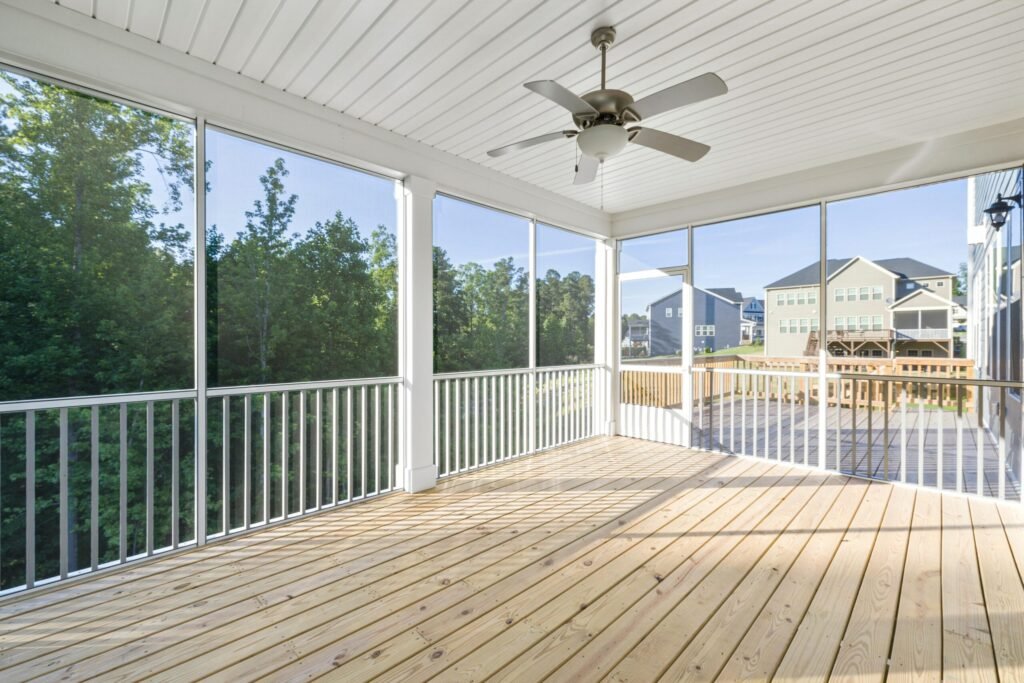
Railings are especially important throughout La Jolla given the number of elevated, view-oriented, and cliffside decks in the community. Beyond safety, railing design is often chosen to preserve unobstructed ocean views while still providing solid wind resistance.
What Homeowners Should Know About Deck Building in La Jolla
Choosing between composite and wood decking often comes down to how a homeowner wants the deck to complement their home’s architecture, balanced against the intensity of maintenance required in this coastal environment.
Deck size and layout planning need to account for La Jolla’s varied terrain, from flat village lots to steep hillside and cliffside properties where usable footprint can be more limited.
Structural integrity is a particularly important consideration here, given how many properties sit on sloped or cliff-adjacent ground where proper footing depth and foundation design are essential for long-term safety and performance.
Drainage is a significant factor on hillside and cliffside lots, where water needs to be carefully directed away from the structure and the slope below it.
Sun exposure, coastal moisture, and wind all play a substantial role in material performance here, often more intensely than in almost any other part of the service area.
Safety considerations include railing height, baluster spacing, and wind-resistant design, especially critical for elevated and cliffside decks throughout the community.
Maintenance expectations should be discussed upfront, since salt air accelerates wear on both wood and hardware components regardless of the decking material chosen.
Long-term durability depends heavily on material choice, hardware selection, and consistent maintenance, arguably more so in La Jolla than in most other coastal neighborhoods given the combination of exposure factors at play.
Budget planning should account for site-specific engineering, particularly for hillside or cliffside properties where structural requirements can meaningfully affect overall project cost.
Choosing the Right Deck Material for Your Home
Composite Decking
Composite decking offers strong resistance to fading, splintering, and moisture damage, which makes it particularly well suited to La Jolla’s intense coastal exposure. It doesn’t require staining or sealing and holds its appearance well over time.
The main drawbacks are a higher upfront cost compared to pressure-treated wood and a look that some homeowners feel is less in keeping with the natural, traditional character of the area’s Spanish and Mediterranean-style homes.
Maintenance is generally limited to periodic washing. Typical lifespan for quality composite decking runs from roughly 25 to 30 years with proper installation and hardware.
This option tends to suit homeowners who want a long-term, low-maintenance deck, particularly for larger or harder-to-access properties on hillside or cliffside lots.
Pressure-Treated Wood
Pressure-treated wood remains one of the more affordable decking options, with lower material costs than composite or naturally durable wood species, though it’s used less frequently on La Jolla’s higher-end properties given the community’s overall standard of finish.
Maintenance requirements are notably higher in this coastal environment — regular sealing or staining is essential to protect against salt air, sun, and wind exposure. Without consistent upkeep, pressure-treated wood deteriorates faster here than in inland areas.
Typical lifespan ranges from about 8 to 12 years given the intensity of coastal exposure, depending on maintenance consistency.
Cedar and Redwood
Cedar and redwood offer a richer, more refined natural appearance that pairs particularly well with La Jolla’s architectural character, along with some inherent resistance to insects and decay compared to standard pressure-treated lumber.
Both species require regular sealing or staining to hold up against sustained salt air, sun, and wind exposure. Without consistent upkeep, weathering happens noticeably faster here than in less exposed parts of the service area.
Typical lifespan runs from about 12 to 18 years with consistent maintenance in this coastal setting. Homeowners often choose cedar or redwood specifically to match their home’s architectural character, provided they’re prepared to maintain a frequent sealing schedule.
No single material is right for every homeowner. The right choice depends on budget, maintenance tolerance, and how much a homeowner wants the deck to reflect La Jolla’s traditional architectural character.
How Much Does Deck Installation Cost in La Jolla?
Typical Project Cost Ranges
| Project Type | Typical Cost Range | Factors Affecting Price |
|---|---|---|
| Deck Repair | $600 – $4,500 | Extent of corrosion damage, accessibility, hardware condition |
| Wood Deck Installation | $9,000 – $25,000 | Size, wood species, slope, railings |
| Composite Deck Installation | $15,000 – $40,000+ | Size, product tier, railings, structural complexity |
| Deck Replacement | $11,000 – $34,000+ | Demolition, framing condition, material choice |
| Railing Installation | $45 – $170 per linear foot | Material, height, view-preserving design |
These figures reflect general Southern California pricing ranges and are not a quote. Actual costs depend on the specifics of your property and project scope.
Factors That Affect Cost
Overall project cost depends on deck size, material choice, and whether the project involves composite or wood decking. Railings, stairs, and site accessibility all add to labor and material requirements, particularly on hillside or cliffside lots.
Foundation requirements can significantly affect cost on sloped properties, since deeper or more extensive footings are often needed for structural stability. Custom features such as built-in seating, lighting, or pergolas are also common requests here and add to overall project scope.
Existing deck demolition is a relevant cost factor for many La Jolla replacement projects, particularly on older homes with decks that have deteriorated from years of coastal exposure.
Local Factors Affecting Cost
La Jolla’s proximity to the ocean and its many elevated, cliffside properties mean salt air and wind exposure have a more significant impact here than in most other parts of the service area, often requiring upgraded, corrosion-resistant fasteners and connectors.
Hillside and cliff-adjacent lots typically require substantially more engineering and structural planning than flat-lot projects, which can meaningfully increase both design and construction costs.
Material availability and the local labor market also factor into pricing, along with the generally higher standard of finish and craftsmanship expected throughout much of the community.
Deck Permits in La Jolla
La Jolla is part of the City of San Diego, so deck permits go through the city’s Development Services Department. According to the city’s permit guide, a deck is exempt from a permit only if it is under 200 square feet, no higher than 30 inches above grade, and does not serve as an exit door. Most decks attached to a back door, raised decks and larger decks need a permit.
What the City Looks At
- Height above grade. The city’s residential deck bulletin requires a building permit for any deck more than 30 inches above grade, which covers most decks on La Jolla’s sloped lots.
- Over-the-counter review for standard decks. Deck plans prepared to the city’s deck bulletin, or designed with conventional wood framing, can be reviewed over the counter.
- Special areas. Decks in environmentally sensitive lands, brush management zones or very high fire hazard severity zones must meet extra sections of the San Diego Municipal Code, which matters for canyon-edge and hillside homes.
- Small repairs. The city exempts maintenance repairs under $1,000 that replace like for like.
The Coastal Overlay Zone
Much of La Jolla sits in the city’s Coastal Overlay Zone. Under the San Diego Municipal Code, coastal development there requires a Coastal Development Permit unless it qualifies for an exemption, and decisions in some areas can be appealed to the California Coastal Commission. Check your property’s overlay status early if you are near the coast or a bluff.
How a Project Comes Together
- Free site visit. We look at the space, the slope and how you want to use the deck.
- Permit check. We confirm whether the deck needs a building permit and whether coastal or fire-zone rules apply.
- Design and materials. Wood or composite, railings and stairs, chosen for salt air, sun and budget.
- A clear, written estimate you can compare before committing.
- Build and inspections when a permit applies.
Contact Deck Builder in La Jolla Today!
Let’s chat about your ideas! Getting started is easy – simply reach out with details about your Deck project!
Deck Building Across La Jolla Neighborhoods
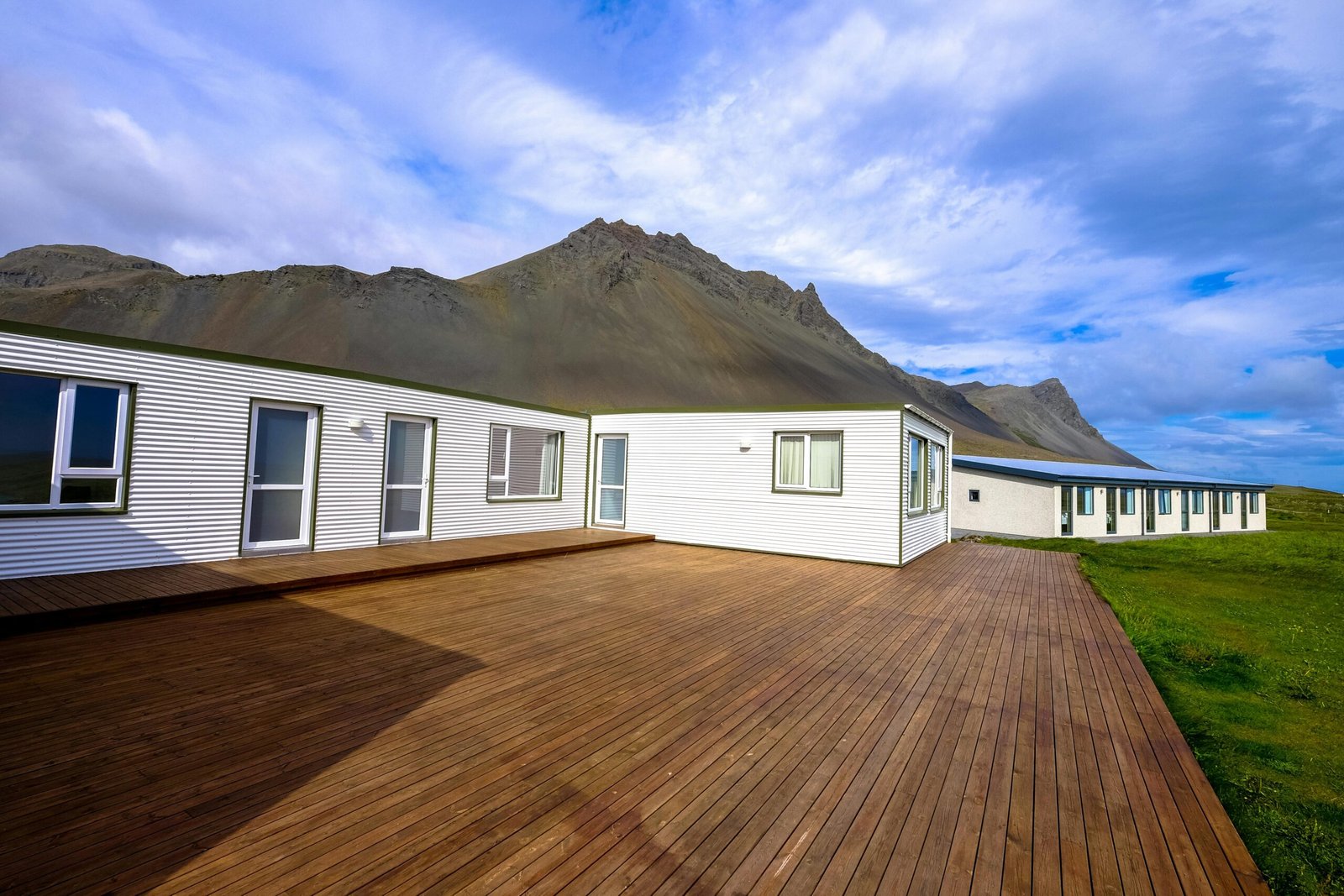
La Jolla runs from flat beach blocks to steep hillside view lots, and the kind of deck a home needs changes a lot from one neighborhood to the next.
La Jolla Shores
The flatter beach neighborhood at the north end, close to the water. Ground-level and low decks are common here, and constant salt air makes corrosion-resistant fasteners and low-maintenance decking worth the extra cost.
The Village and Bird Rock
Older homes on smaller, established lots near the coast. Decks here often have to fit tight setbacks, and replacing a weathered original deck is a common project.
Muirlands, Mount Soledad and La Jolla Heights
Hillside neighborhoods with larger homes and ocean views. Decks here are often raised or built over slopes, which usually means a permit, engineered footings and careful railing design. Some canyon-edge lots fall in fire hazard or brush management areas with extra rules.
Nearby San Diego Neighborhoods
We also build decks in Pacific Beach, University City, Clairemont, Point Loma, Mira Mesa, Mission Valley, Hillcrest and Coronado.
Need Help?
Frequently Asked Questions About Deck Installation in La Jolla
Below are some of the most common questions Our Network get from families about Deck Projects. If you have any other questions contact us!
How much does a new deck cost in La Jolla?
Most new deck installations in the area range from roughly $9,000 to $40,000 depending on size, material, and terrain, with hillside and cliffside properties typically at the higher end due to structural requirements. A site visit is the only way to get an accurate estimate for your property.
How Long Does a Deck Last?
In La Jolla’s coastal environment, composite decking typically lasts around 25 to 30 years with proper installation and basic maintenance. Pressure-treated wood generally lasts 8 to 12 years given the intensity of salt air and wind exposure. Cedar and redwood decks typically last 12 to 18 years with regular upkeep in this environment.
Is composite or wood decking better for La Jolla homes?
Neither is universally better. Composite offers strong resistance to salt air and wind-related wear with lower maintenance, while wood — particularly cedar or redwood — often better complements the area’s Spanish and Mediterranean-influenced architecture.
What maintenance does a deck need in La Jolla?
Wood decks generally need sealing or staining close to once a year given the intensity of coastal exposure. Composite decking mainly needs periodic washing to remove salt residue and debris.
Are composite decks worth the higher upfront cost in La Jolla?
For many homeowners, yes — the resistance to salt air and wind-related wear, combined with reduced maintenance, often make composite a practical long-term choice given how demanding this coastal environment is on decking materials.
What's the best decking material for La Jolla's salt air and wind exposure?
Composite decking generally performs best in this level of sustained coastal exposure due to its resistance to moisture and corrosion-related wear, provided it’s installed with corrosion-resistant hardware suited for wind-exposed, elevated sites.
Do I need a permit to build a deck in La Jolla?
Usually. La Jolla is part of the City of San Diego, which exempts a deck only if it is under 200 square feet, no higher than 30 inches above grade, and does not serve as an exit door. A deck off your back door, a raised deck or a larger deck needs a building permit.
Does a La Jolla deck need a Coastal Development Permit?
It can. Much of La Jolla is in the City of San Diego’s Coastal Overlay Zone, where coastal development requires a Coastal Development Permit unless it qualifies for an exemption. Whether your deck qualifies depends on the property and the project, so confirm your overlay status before finalizing the design.
What will your deck cost?
Six free calculators built for La Jolla and coastal San Diego. Enter your size, material, height and site conditions and you get a realistic price range plus a line-by-line breakdown of where the money goes.
Every calculator gives a planning range with a full cost breakdown — it is not a contractor quote.
Get a Free Deck Estimate in La Jolla
Whether you are planning a new deck, replacing a weathered one, or fixing loose boards and stairs, we can help you plan it, from the permit question to the final inspection. We build with wood and composite decking, plus railings and stairs to match.
Every estimate is free and includes a straight answer on whether your deck needs a City of San Diego or coastal permit.
Tell us a little about your project below, and we will follow up to set up your free estimate.