
Deck Builder in Mission Valley, CA
Looking for a deck builder in Mission Valley, CA? A well-built deck adds functional outdoor space to Mission Valley's condos, townhomes, and hillside homes while standing up to the area's strong inland sun.
Deck Services in Mission Valley
Deck Installation
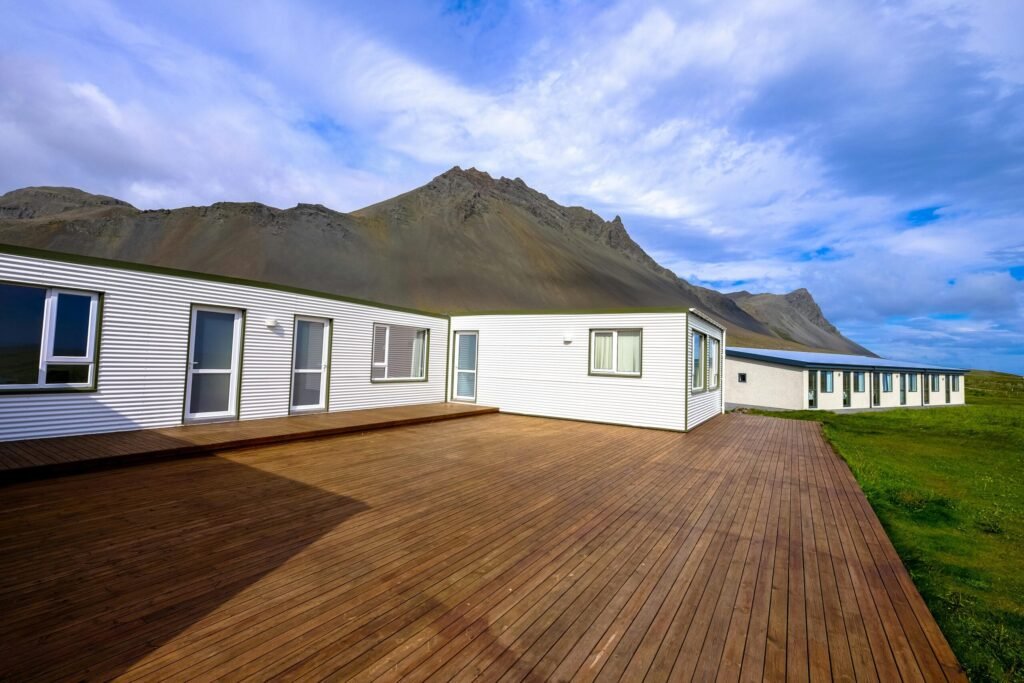
Homeowners choosing new installation also benefit from selecting materials and finishes suited to sustained sun exposure from the start, rather than retrofitting an existing structure later.
Deck Repair
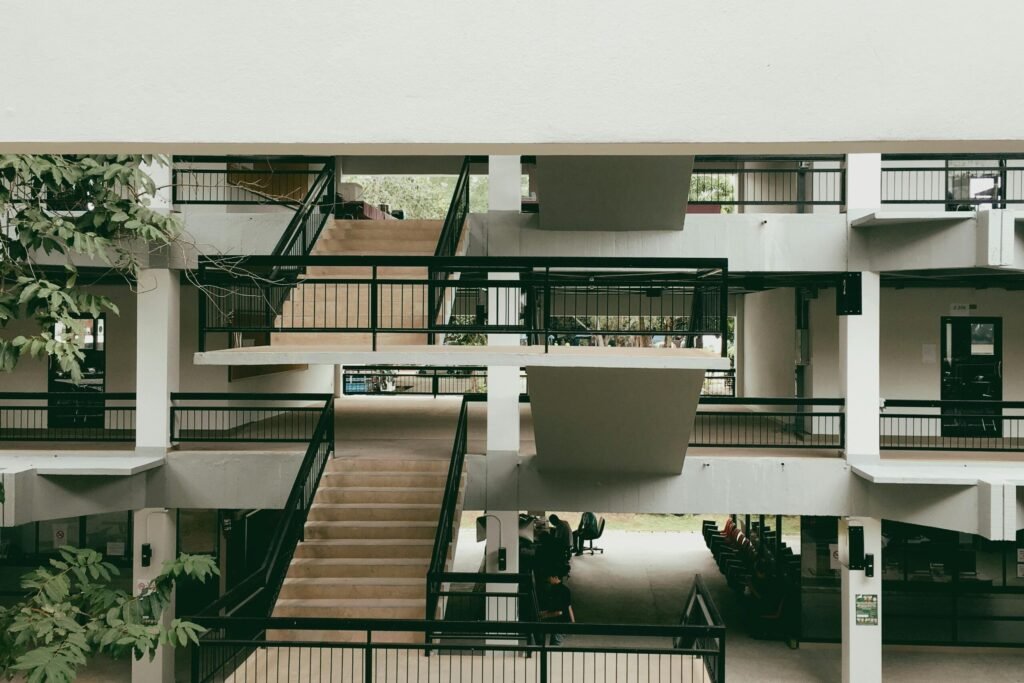
Repair is typically the right approach when a deck’s structural framing is sound but individual components — boards, railings, or hardware — have worn from sun exposure or general age. This is common in Mission Valley’s older hillside homes, where decks built decades ago may show cracking or fading without underlying structural problems.
Deck Replacement
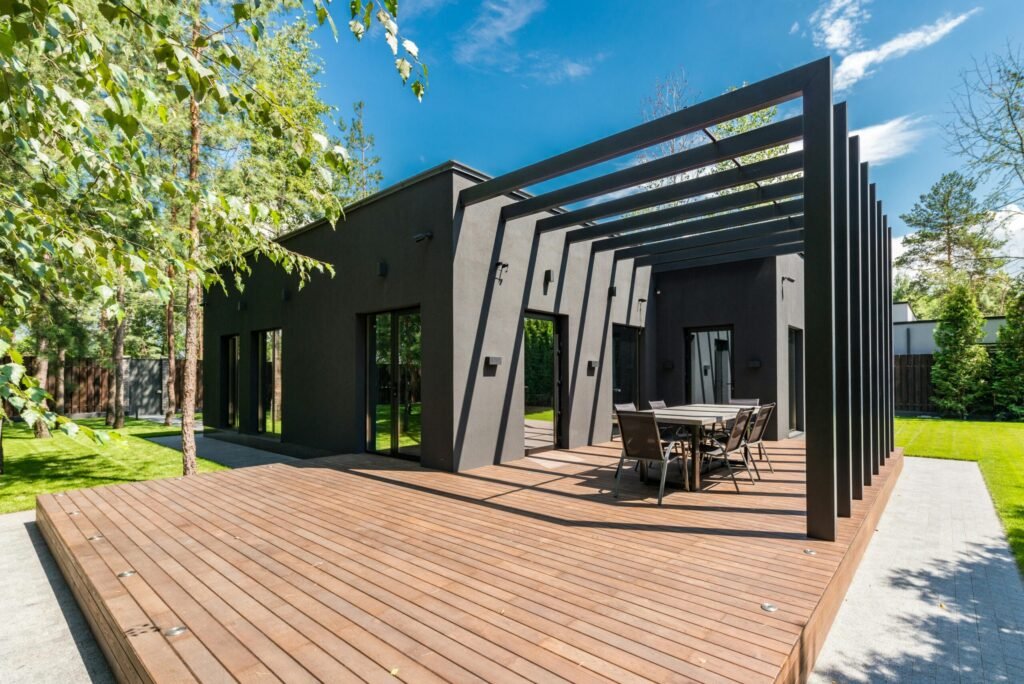
Replacement becomes the more practical choice when a deck shows structural issues that go beyond surface wear, such as failing footings, rotted framing, or damage from years of heat cycling and inadequate original construction.

Composite Deck Installation
Composite decking is a popular option in Mission Valley for homeowners who want strong resistance to fading and cracking under sustained inland sun exposure. Composite boards generally hold their color better than untreated wood when exposed to consistent UV over many years.
Wood Deck Construction
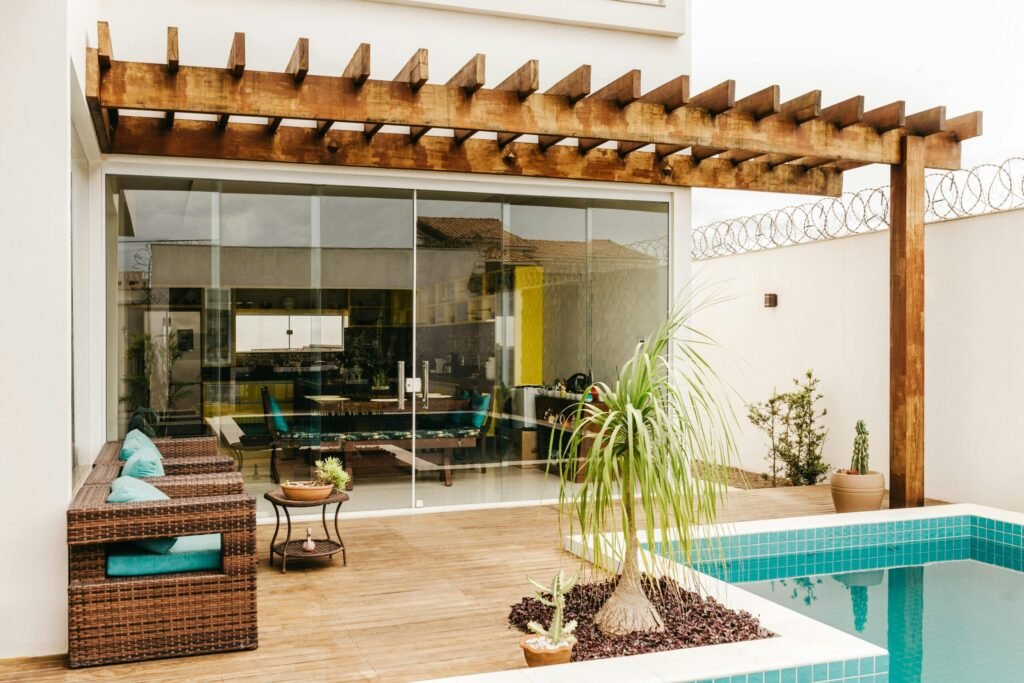
Traditional wood decking remains an option for homeowners who prefer its natural appearance and lower upfront material cost. In Mission Valley’s inland climate, wood decking requires consistent sealing and staining to resist the fading, cracking, and warping that come with strong, sustained sun exposure.
Deck Railing Installation
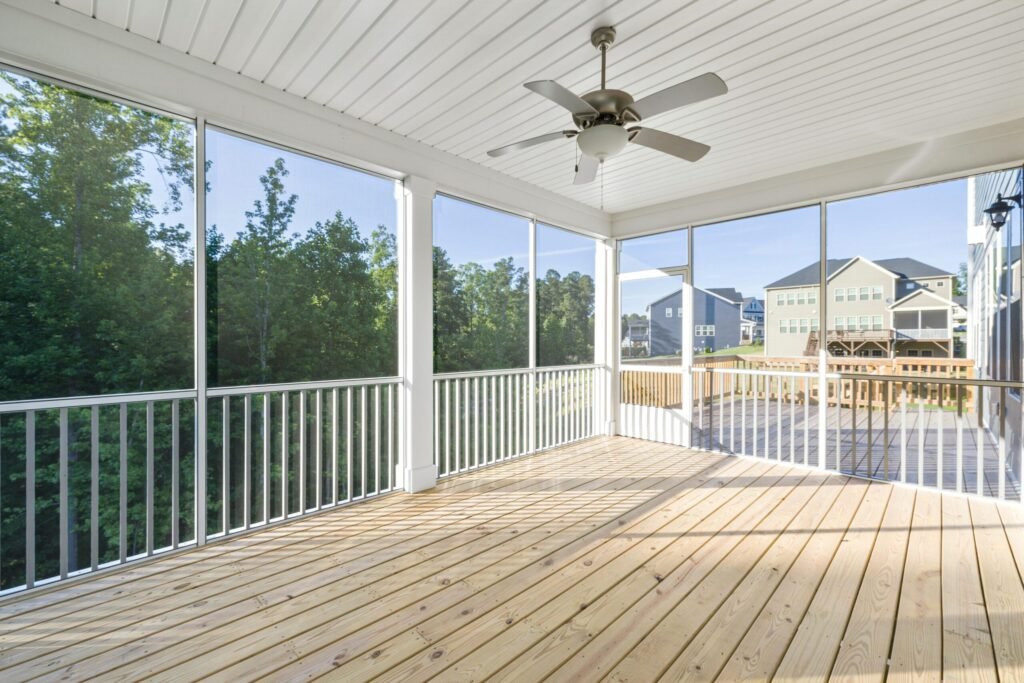
Railings are especially relevant for Mission Valley’s hillside properties, where elevated decks need railings that meet safety requirements while preserving valley views. Railing upgrades are also common on older decks where original hardware has worn from years of heat and UV exposure.
What Homeowners Should Know About Deck Building in Mission Valley
Choosing between composite and wood decking in this area often comes down to how much sun exposure a specific deck will receive and how much ongoing maintenance a homeowner is willing to take on. South- and west-facing decks in particular see intense afternoon sun for much of the year.
Deck size planning should account for the type of property — condo and townhome patios are often working with limited square footage, while hillside single-family lots may have more room to design a larger entertaining space.
Structural integrity depends on proper footing depth and framing, which is particularly important on Mission Valley’s hillside lots where soil and slope conditions vary from property to property.
Drainage is a relevant consideration for hillside decks, where water needs to be directed away from the structure and the slope below it to prevent long-term damage to footings and framing.
Sun exposure is the dominant environmental factor for decks in this inland area. Both wood and composite materials weather differently under sustained UV and heat, which should factor into material selection.
Safety considerations include railing height and baluster spacing, particularly important for elevated hillside decks with valley views.
Maintenance expectations vary by material. Composite decking generally needs periodic cleaning, while wood decking requires regular sealing or staining to hold up against Mission Valley’s sun exposure.
Long-term durability depends on the combination of material choice, construction quality, and consistent maintenance, particularly for wood decks facing direct afternoon sun.
Budget planning should account for property type and site conditions, since hillside lots, condo association requirements, or existing deck demolition can all affect overall project scope and cost.
Choosing the Right Deck Material for Your Home
Composite Decking
Composite decking offers strong resistance to fading, cracking, and warping, which makes it well suited to Mission Valley’s sustained inland sun exposure. It doesn’t require staining or sealing and generally holds its color well over time compared to untreated wood.
The main drawbacks are a higher upfront cost than pressure-treated wood and a surface temperature that can run warmer underfoot in direct sun compared to some wood species — a relevant consideration in this sunnier, inland part of San Diego.
Maintenance is generally limited to periodic washing. Typical lifespan for quality composite decking runs from roughly 25 to 30 years with proper installation.
This option tends to suit condo or townhome owners who want a low-maintenance patio deck, as well as hillside homeowners with larger decks who prefer not to manage a recurring sealing schedule.
Pressure-Treated Wood
Pressure-treated wood remains one of the more affordable decking options, with lower material costs than composite or naturally durable wood species, and a traditional appearance many homeowners like.
In Mission Valley’s sun-heavy inland climate, maintenance requirements are higher than in shadier or coastal areas — regular sealing or staining is needed to prevent cracking, splintering, and graying from consistent UV exposure.
Typical lifespan ranges from about 10 to 15 years depending on maintenance consistency and sun exposure. This material is often used for budget-conscious projects or smaller decks.
Cedar and Redwood
Cedar and redwood offer a richer natural appearance and some inherent resistance to insects and decay compared to standard pressure-treated lumber, which appeals to homeowners who want a natural wood deck.
Both species still require regular sealing or staining to hold up against sustained sun exposure in an inland valley climate. Without consistent maintenance, natural wood tones will gray and the surface may begin to check or crack.
Typical lifespan runs from about 15 to 20 years with consistent upkeep. Homeowners often choose cedar or redwood when natural appearance is a priority and they’re prepared to maintain a regular sealing schedule, particularly for south- or west-facing decks with significant afternoon sun.
No single material is right for every homeowner. The right choice depends on budget, maintenance tolerance, and how much direct sun a specific deck will receive.
How Much Does Deck Installation Cost in Mission Valley?
Typical Project Cost Ranges
| Project Type | Typical Cost Range | Factors Affecting Price |
|---|---|---|
| Deck Repair | $500 – $3,500 | Extent of damage, accessibility, hardware condition |
| Wood Deck Installation | $7,500 – $20,000 | Size, wood species, site slope, railings |
| Composite Deck Installation | $13,000 – $32,000+ | Size, product tier, railings, structural complexity |
| Deck Replacement | $9,000 – $28,000+ | Demolition, framing condition, material choice |
| Railing Installation | $40 – $150 per linear foot | Material, height, view-preserving design |
These figures reflect general Southern California pricing ranges and are not a quote. Actual costs depend on the specifics of your property and project scope.
Factors That Affect Cost
Overall project cost depends on deck size, material choice, and whether the project involves composite or wood decking. Railings, stairs, and site accessibility all add to labor and material requirements, as do multi-level deck designs on hillside lots.
Foundation requirements can increase cost on sloped properties, since deeper or additional footings may be needed. Custom features such as built-in seating, lighting, or pergolas also add to overall project scope.
Existing deck demolition is a relevant cost factor for replacement projects, particularly on older hillside homes with decks built to outdated fastening standards.
Local Factors Affecting Cost
Mission Valley’s inland location means salt air and coastal corrosion are less of a factor here than in areas closer to the ocean, but sustained sun and heat exposure still influence material selection and finish requirements.
Hillside properties in areas like Grantville typically require more engineering and structural planning than flat-lot projects, which can increase design and construction costs.
Material availability and the local labor market also factor into pricing, along with condo or townhome community requirements that may apply to certain projects.
Why Choose Deck Builder La Jolla?
Experience Serving Homes Near Mission Valley
We understand the range of property types found throughout Mission Valley, from condo and townhome patios to hillside single-family homes, and design each project around the specific site.
Quality Materials & Craftsmanship
We work with both composite and wood decking materials suited to Mission Valley’s sun-heavy inland climate, with attention to finishes that hold up to sustained UV exposure.
Professional Project Management
Every project is planned around your property’s layout and terrain, whether that’s a compact patio deck or a larger hillside structure with valley views.
Transparent Communication
We walk homeowners through material trade-offs, realistic timelines, and cost factors before construction begins, so there are no surprises along the way.
Homeowner-Focused Service
Our goal is to help you make an informed decision about your deck, not just sell you the most expensive option. We explain the reasoning behind our recommendations so you can choose what actually fits your home and budget.
Contact Deck Builder in Mission Valley Today!
Let’s chat about your ideas! Getting started is easy – simply reach out with details about your Deck project!
About Mission Valley
Mission Valley at a Glance
- Location: Inland valley community in San Diego, along the San Diego River corridor
- Climate: Warmer inland climate with strong sun exposure and less coastal moisture than areas closer to the ocean
- Housing: Mix of newer condominium and townhome developments and hillside single-family homes near areas like Grantville
- Terrain: River valley flanked by hillsides, with elevation change on the surrounding slopes
- Community character: A blend of urban mixed-use development and residential neighborhoods on the valley’s edges
Nearby Communities
We also serve homeowners in nearby San Diego communities, including Hillcrest, Clairemont, University City, Point Loma, La Jolla, and Mira Mesa, each with its own housing styles and site conditions that shape how a deck should be built.
Why Many Homes in Mission Valley Benefit from a New Deck
A well-built deck adds functional outdoor space that many condo and townhome units lack, giving residents a dedicated area for everyday outdoor time. For hillside single-family homes, a deck can also make the most of valley views that would otherwise go unused.
Many homeowners here build decks to create better space for family gatherings or simply a more functional connection between indoor and outdoor living areas, particularly given the area’s warm, sunny climate for much of the year.
Need Help?
Frequently Asked Questions About Deck Installation in Mission Valley
Below are some of the most common questions Our Network get from families about Deck Projects. If you have any other questions contact us!
How much does a new deck cost in Mission Valley?
Most new deck installations in the area range from roughly $7,500 to $32,000 depending on size, material, and site conditions such as slope or accessibility. A site visit is the only way to get an accurate estimate for your property.
How long does a deck last?
Composite decking typically lasts 25–30 years, cedar and redwood around 15–20 years, and pressure-treated wood roughly 10–15 years. Maintenance and sun exposure both affect these ranges.
Is composite or wood decking better?
Neither is universally better. Composite resists fading and cracking under sustained sun exposure with less maintenance, while wood offers a lower upfront cost and traditional look but needs more regular upkeep in this sunny, inland climate.
How long does deck construction typically take?
Most standard deck installations take a few days to a couple of weeks, depending on size, material, and site complexity. Hillside lots can extend timelines due to additional structural work.
Are composite decks worth the higher upfront cost?
For many homeowners, yes — the reduced maintenance and stronger resistance to sun-related wear can offset the higher initial price. It ultimately depends on your budget and maintenance preferences.
How do I know if my deck is structurally safe?
Warning signs include soft or spongy boards, wobbly railings, visible cracking, or worn fasteners. A professional inspection is the most reliable way to assess structural condition, especially for older hillside decks.
What a deck costs in Mission Valley
Before you gather quotes, get a realistic number. Our calculators use San Diego labour and material rates and include the permit and code requirements that national estimators leave out.
Every calculator gives a planning range with a full cost breakdown — it is not a contractor quote.
Talk to a Deck Builder in Mission Valley
If you’re considering a new deck, repair, or replacement for your Mission Valley home or condo, we’re happy to walk through your options based on your property’s specific conditions — whether that’s a compact patio or a larger hillside deck with valley views. We offer free consultations and no-pressure estimates for homeowners throughout our service area.