Composite Deck Installation in La Jolla, CA
Professional composite deck installation for La Jolla, California homeowners who want a low-maintenance outdoor living space built to handle coastal sun, salt air, and marine humidity without sacrificing style.
What Is Composite Deck Installation?
Composite deck installation is the process of designing, framing, and building a deck using composite decking boards instead of natural wood. The composite material makes up the visible walking surface and, in many cases, the railing system, while the underlying structure is typically still built from wood or engineered framing members.
The purpose of composite decking is to give homeowners a durable, consistent-looking surface that resists the common problems associated with wood decks: splintering, warping, cupping, and color fading from sun exposure. Because the material doesn’t require staining or sealing, it significantly reduces the ongoing maintenance burden.
The installation process itself follows the same core structural principles as any deck build. Proper footings, ledger attachment, joist spacing, and drainage all matter just as much with composite decking as they do with wood, because the composite boards sit on top of a structural frame that has to be engineered correctly regardless of the surface material chosen.
Homeowners who typically choose composite decking include those replacing a wood deck that has reached the end of its usable life, those building a new deck who want to minimize future maintenance, and those with busy schedules who would rather spend their time using the deck than maintaining it. It’s also a common choice for rental properties and vacation homes where consistent upkeep isn’t always practical.
When Should You Consider Composite Deck Installation?
There are several common situations where composite deck installation becomes the right conversation to have with a contractor.
- Aging decks nearing the end of their lifespan. Wood decks generally need to be reconsidered after 15 to 25 years, depending on the material and maintenance history.
- Structural concerns. Soft spots, sagging, or visible movement in the deck surface can point to framing or footing issues that need to be addressed, not just cosmetic repair.
- Rot or moisture damage. Wood that stays damp from La Jolla’s marine layer or inconsistent drainage is prone to rot, especially near ledger boards and post bases.
- Loose or wobbly railings. Railing posts that shift or flex are a safety issue, and often signal that connections need to be rebuilt rather than tightened.
- Outdated appearance. Decks built decades ago often don’t match a home’s current style, especially after other renovations.
- Expanding your outdoor living space. Many homeowners use a full deck replacement as an opportunity to add square footage, a second level, or built-in features.
- Safety concerns for families and guests. Uneven boards, exposed fasteners, and unstable stairs are common reasons homeowners decide it’s time for a new deck rather than another round of patchwork repairs.
If you’re seeing one or more of these signs, it’s worth having a professional evaluate the deck before deciding between repair, replacement, or a full composite rebuild.
Complete Composite Deck Installation Services
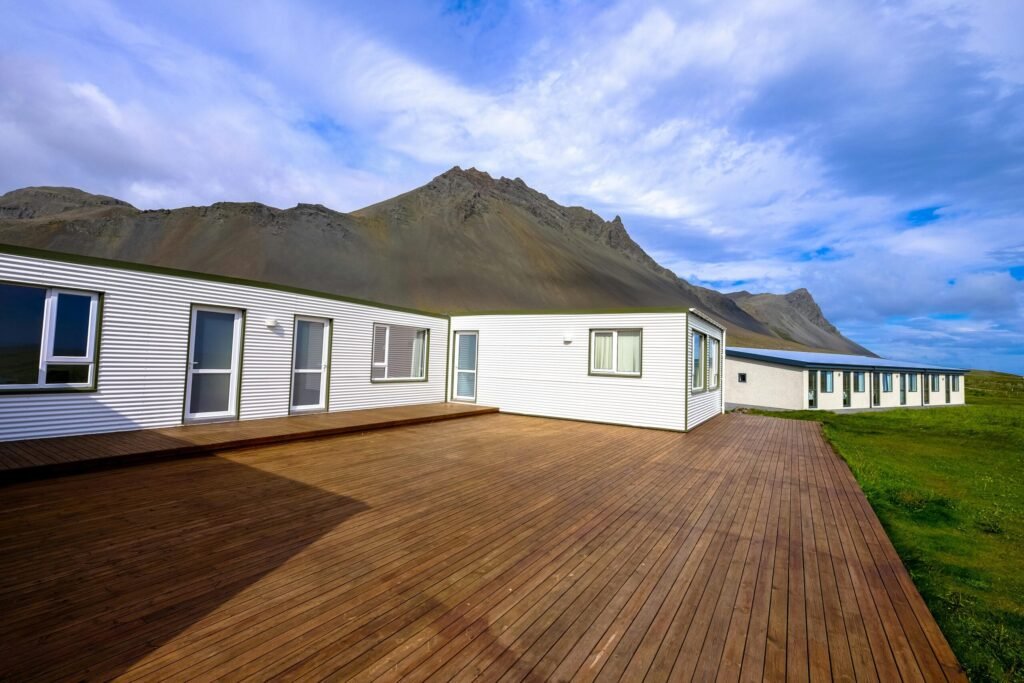
Custom composite deck design
Layout, board direction, and color selection tailored to your home’s architecture.
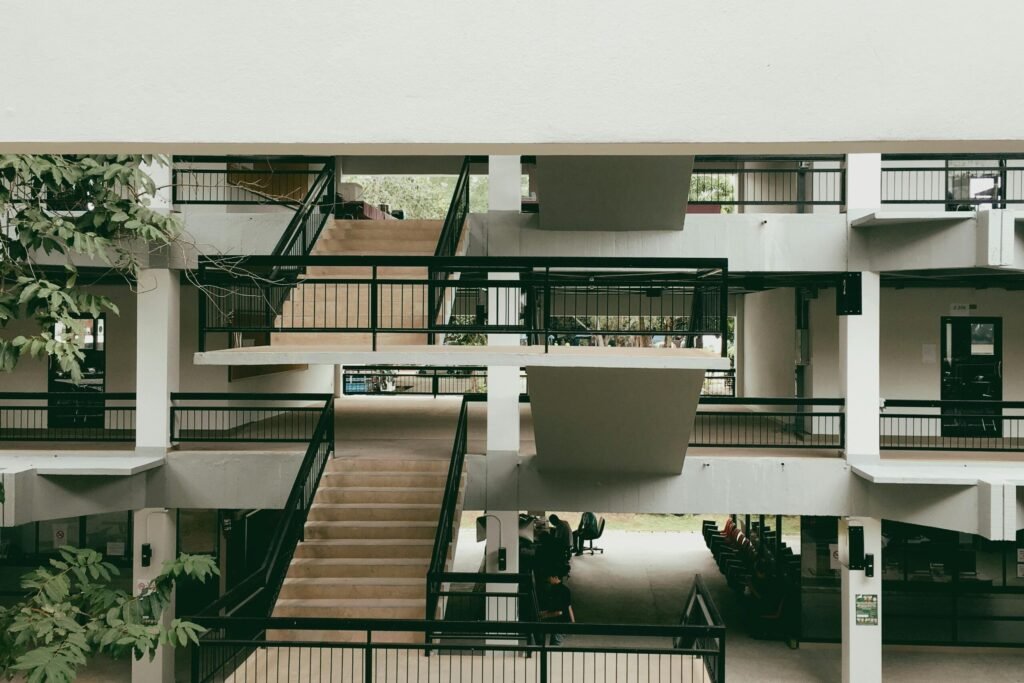
Multi-level and tiered deck construction
Stepped or multi-elevation designs for sloped lots or expanded outdoor living space.
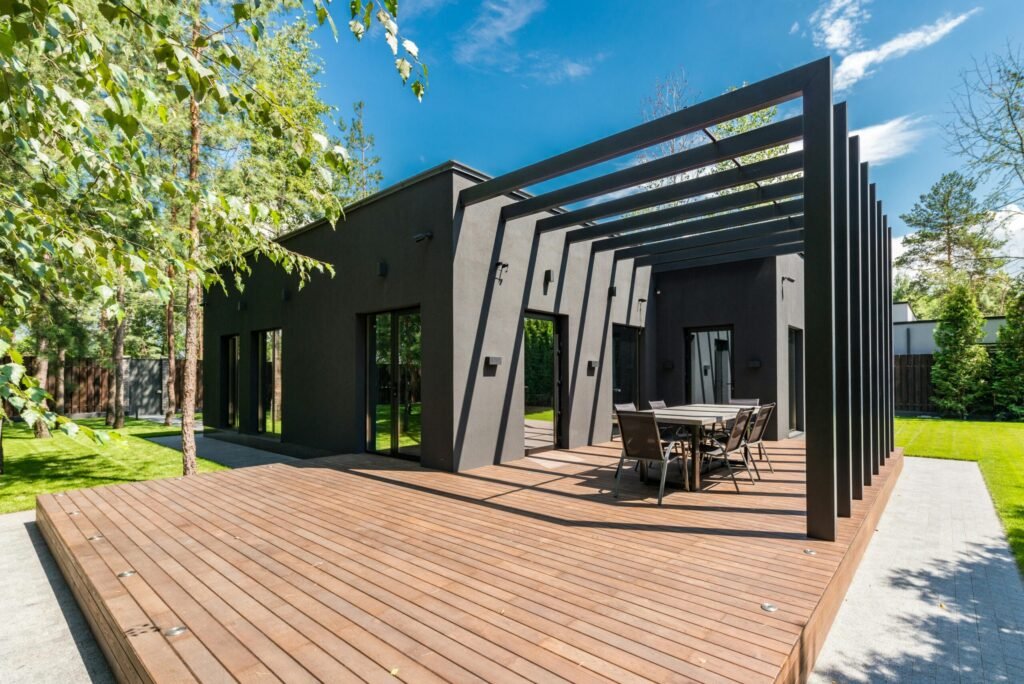
Composite deck framing and structural support
Engineered footings and joist systems built to support the composite surface and expected load.
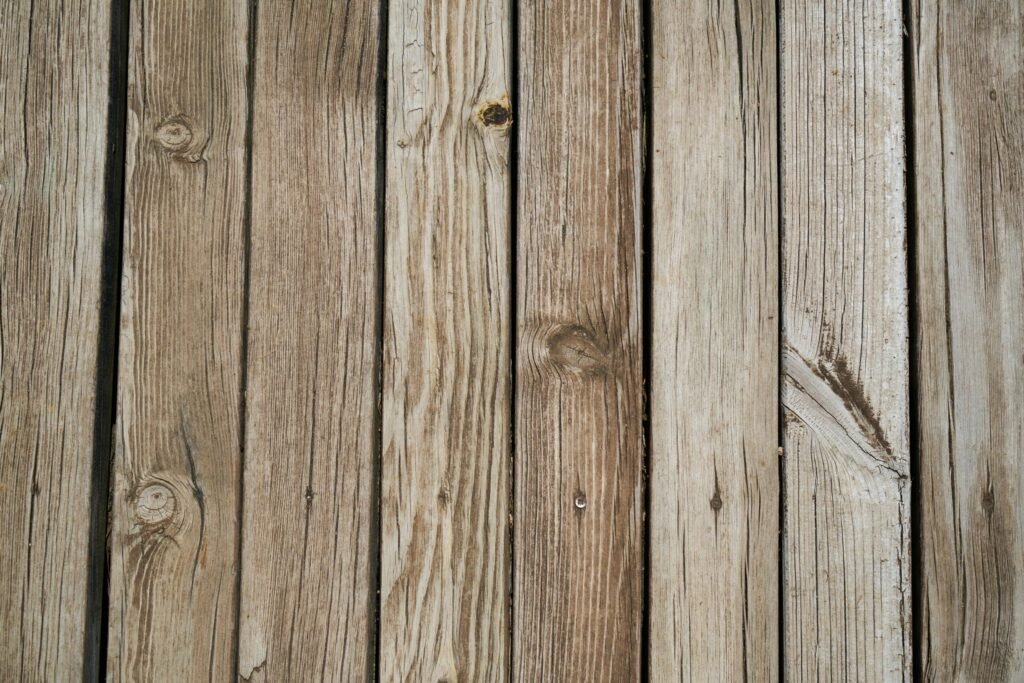
Composite deck lighting integration
Post cap lights, stair lighting, and under-rail lighting wired into the structure during construction.
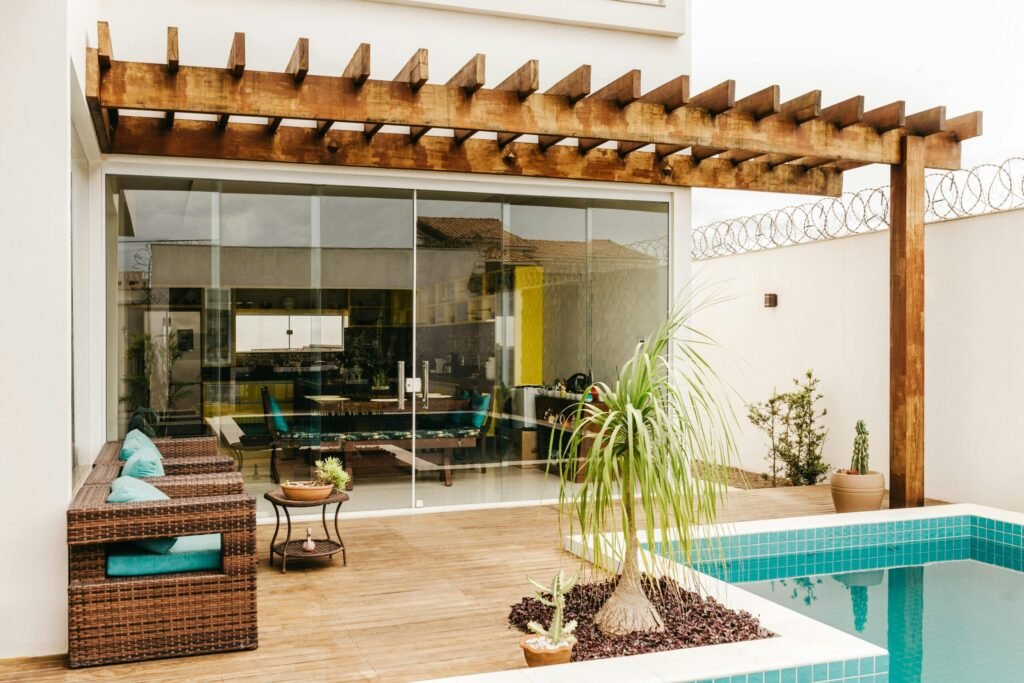
Built-in composite seating and privacy screens
Bench seating, planters, and privacy walls built using matching composite materials.
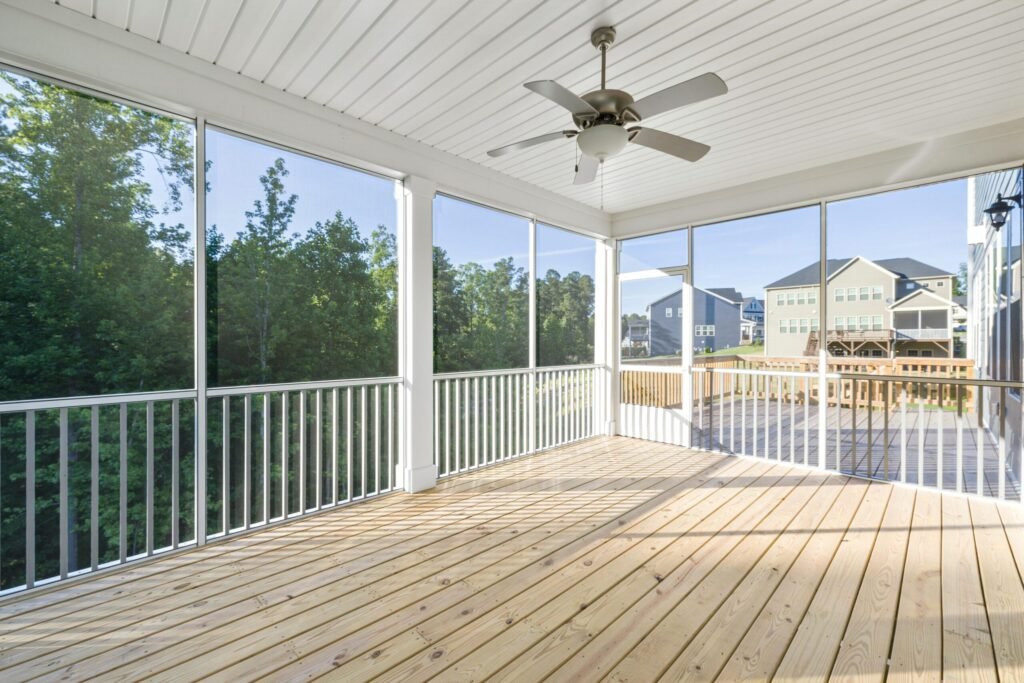
Composite deck railing installation
Composite, cable, or glass railing systems integrated into the overall design.
La Jolla's Coastal Climate and Your Deck Material
La Jolla’s climate plays a bigger role in deck performance than most homeowners realize, and it’s a big part of why so many local homeowners lean toward composite decking.
La Jolla sits directly on the coast, which means decks here deal with a combination of conditions that inland San Diego neighborhoods don’t face to the same degree: consistent salt air, a heavy spring and early-summer marine layer, and strong year-round UV exposure.
Relative humidity in La Jolla climbs to around 70% during May and June as the marine layer settles in, then drops to its lowest point, around the high 50s, in November. That swing between damp coastal air and drier fall conditions puts real stress on untreated or poorly sealed wood, which expands and contracts as moisture levels change. Over time, that cycle contributes to warping, cupping, and loosened fasteners.
UV exposure is another factor. La Jolla sees its highest UV index during the summer months, with lower but still meaningful exposure through the rest of the year. Combined with near-constant coastal sun, this accelerates fading and surface breakdown on unsealed or infrequently maintained wood decking.
Salt air is the third piece of the equation. Homes closer to the coastline, including much of La Jolla, deal with airborne salt that settles on outdoor surfaces and accelerates corrosion of exposed metal fasteners and hardware over time. This is one of the reasons we pay close attention to fastener type and railing hardware selection on composite installations near the water.
None of this means wood decking can’t work in La Jolla. It means the maintenance schedule matters more here than it might in a drier, inland climate. Composite decking’s resistance to moisture cycling, UV fading, and surface degradation is a big part of why it’s become such a common choice for homeowners in coastal San Diego neighborhoods specifically.
Choosing the Right Materials
There isn’t one decking material that’s correct for every homeowner. The right choice depends on your budget, how much maintenance you’re willing to take on, and how long you want the deck to last. Here’s an honest look at the three most common options.
Composite Decking
Composite decking is made from a mix of wood fibers and recycled plastics, capped with a protective outer layer on most modern products.
Benefits: Highly resistant to rot, splintering, and insect damage. Doesn’t require staining or sealing. Colors stay more consistent over time compared to unfinished wood. Available in a wide range of colors and board profiles.
Drawbacks: Higher upfront material cost than pressure-treated wood. Some early-generation composite products can retain more heat underfoot in direct sun, though most current products are engineered to reduce this.
Maintenance: Occasional washing to remove dirt, pollen, or salt residue from coastal air. No sanding, staining, or sealing required.
Lifespan: Most composite decking is rated for 25 to 30+ years, with many manufacturers offering warranties in that range.
Best use cases: Homeowners who want a long-term, low-maintenance deck and are comfortable with a higher upfront investment.
Pressure-Treated Wood
Pressure-treated lumber is chemically treated to resist rot and insects, and remains one of the most widely used decking materials nationally.
Cost: Generally the most affordable decking material upfront.
Appearance: Natural wood look that can be stained in a range of colors, though it will show grain and knots that vary board to board.
Maintenance: Requires regular staining or sealing, typically every one to three years, to prevent moisture damage and graying from UV exposure.
Lifespan: Typically 10 to 15 years with consistent maintenance; shorter in coastal environments if upkeep is inconsistent.
Best applications: Homeowners prioritizing lower upfront cost who are willing to commit to a regular maintenance schedule.
Cedar & Redwood
Cedar and redwood are premium natural wood options known for their appearance and natural resistance to decay.
Appearance: Rich, warm wood tones that many homeowners consider more visually appealing than composite or pressure-treated lumber.
Durability: Naturally more resistant to rot and insects than untreated wood, though still less durable than composite decking without consistent maintenance.
Maintenance: Requires periodic staining or sealing to maintain color and protect against sun and moisture exposure, similar to pressure-treated wood.
Natural beauty: Prized for its grain pattern and color, which ages differently than composite decking, developing a natural patina if left unsealed.
Typical lifespan: 15 to 20 years with regular maintenance.
No single material is the right answer for every home. Composite decking makes sense for homeowners prioritizing long-term durability with minimal upkeep. Wood options make sense for those who value natural appearance and are comfortable with ongoing maintenance. We’ll walk through these trade-offs with you directly during your consultation.
How Much Does Composite Deck Installation Cost?
| Project | Typical Cost Range | Main Cost Factors |
|---|---|---|
| Small composite deck (under 200 sq ft) | $9,000 – $16,000 | Footing count, framing complexity, site access |
| Mid-size composite deck (200–400 sq ft) | $16,000 – $32,000 | Decking brand, railing style, stairs, demolition |
| Large or multi-level composite deck (400+ sq ft) | $32,000 – $60,000+ | Multiple levels, custom framing, built-ins, lighting |
| Composite railing (per linear foot) | $45 – $90 | Railing material, glass or cable inserts, post spacing |
| Composite decking material only (per sq ft) | $9 – $18 | Brand tier, board color, fastening system |
These figures reflect general Southern California pricing and are not a quote for your specific project. Every deck is priced individually after a site visit and consultation.
Several factors influence the final cost of a composite deck installation:
- Deck size and footprint — larger decks require more material, footings, and labor.
- Material selection — composite decking brands vary significantly in price per square foot.
- Stairs — additional stairs add framing, railing, and labor costs.
- Railings — composite, cable, or glass railing systems each carry different price points.
- Lighting — integrated deck lighting adds both material and electrical labor costs.
- Demolition — removing an existing deck adds labor and disposal costs to a replacement project.
- Foundation work — new or upgraded footings are sometimes required, especially on older properties.
- Site accessibility — decks on sloped lots or with limited equipment access can require additional labor.
- Multi-level designs — decks with multiple elevations require more complex framing and engineering.
- Custom features — built-in seating, planters, or privacy screens add to both material and labor costs.
Why Homeowners Choose Deck Builder La Jolla
Quality Craftsmanship
We treat the structural work under a deck with the same care as the visible finish, because the framing is what determines how the deck performs for decades.
Premium Materials
We work with composite decking manufacturers known for coastal durability, and we talk through product options honestly rather than defaulting to whatever is cheapest to source.
Clear Communication
You’ll know what’s happening at each stage of your project, from initial design through final walkthrough, without having to chase down updates.
Professional Project Management
From permitting considerations to material delivery and crew scheduling, we manage the moving parts of your project so you don’t have to.
Homeowner-Focused Service
Our consultations are built around understanding how you actually plan to use your deck, not upselling features you don’t need.
Contact Deck Builder La Jolla Today
Let’s chat about your ideas! Getting started is easy – simply reach out with details about your Deck project!
Need Help?
Frequently Asked Questions About Composite Deck Installation in La Jolla
Below are some of the most common questions Our Network get from families about Deck Projects. If you have any other questions contact us!
How much does composite deck installation cost in La Jolla?
Most composite deck projects in the San Diego area range from around $9,000 for a small deck to $60,000 or more for a large, multi-level design with custom features. The exact cost depends on size, materials, railing style, and site conditions, so we provide a specific estimate after a consultation.
How long does a composite deck installation take?
Timelines vary based on deck size, whether demolition of an existing deck is involved, and site accessibility. We provide a project-specific timeline estimate during the planning stage rather than a fixed number that applies to every project.
Is composite decking better than wood?
Neither material is universally better. Composite decking requires less maintenance and generally lasts longer, especially in coastal climates, but costs more upfront. Wood, including pressure-treated lumber, cedar, and redwood, costs less initially but requires regular staining and sealing to reach a comparable lifespan.
How long does composite decking last?
Most composite decking is rated for 25 to 30 years or more, with many manufacturers backing that with a warranty. Actual lifespan depends on the specific product and installation quality.
How much maintenance does a composite deck need?
Composite decking doesn’t require staining or sealing. Periodic washing to remove dirt, pollen, or salt air residue is typically all that’s needed to keep it looking its best.
Can composite decking be used for railings too?
Yes. Composite railing systems are commonly paired with composite decking for a consistent look, though homeowners also mix composite decking with cable, glass, or metal railing depending on the design they want. Our Deck Railing Installation page covers railing options specifically.
Price your composite deck by board line
Entry, mid-tier, premium and cellular PVC are different products, not different colours. The calculator prices each tier, the frame under it, and shows a ten-year cost of ownership against wood.
Every calculator gives a planning range with a full cost breakdown — it is not a contractor quote.
Talk to a Deck Builder in La Jolla
Whether you’re in Bird Rock, Muirlands, La Jolla Shores, The Village, Windansea, Hidden Valley, La Jolla Farms, or any other La Jolla neighborhood, choosing the right composite deck installation starts with understanding your materials, your budget, and how your home’s coastal environment factors into that decision.