Deck Repair in La Jolla, CA
A weathered, loose, or aging deck doesn't have to mean a full replacement. Professional deck repair restores safety and function while protecting the investment you've already made in your outdoor space.
What Is Deck Repair?
Deck repair is the practice of diagnosing and correcting specific problems in an existing deck structure, rather than removing and rebuilding the entire thing. The goal is to restore safety, stability, and appearance while preserving as much of the original structure as is still sound.
The process typically starts with an inspection. A contractor examines the framing, footings, ledger connection, decking surface, stairs, and railings to determine what’s failing and why. From there, repairs are scoped to address the specific problems found — this might mean sistering a weakened joist, replacing a section of decking, re-securing a railing post, or correcting a drainage issue that’s causing water to pool against the structure.
Homeowners who choose repair are usually dealing with a deck that has some remaining useful life in its frame or footings. Repair makes the most sense when damage is isolated rather than widespread, and when the underlying structure has been maintained reasonably well over the years.
It’s worth noting that repair and replacement aren’t always mutually exclusive starting points — sometimes an inspection that begins as a repair request reveals more extensive structural issues, and the homeowner and contractor discuss whether deck replacement makes more sense for the long term.
When Should You Consider Deck Repair?
Several signs point toward the need for repair. Homeowners in La Jolla most often reach out when they notice one or more of the following:
- Aging decks that are showing their first signs of wear after a decade or more of use
- Structural concerns, such as noticeable movement, sagging, or bounce when walking across the surface
- Rot or soft spots in decking boards, especially near the ground or in areas that stay damp
- Loose or wobbly railings that no longer feel secure
- Outdated appearance, including faded, stained, or worn boards that detract from the home’s look
- Expanding outdoor living space, where an existing deck needs modification to support new furniture, a pergola, or additional seating
- Safety concerns, including protruding fasteners, cracked boards, or unstable stairs
Not all of these require the same response. A cosmetic issue like fading might only need cleaning and refinishing, while a structural concern like a sagging beam needs a more involved repair. A professional inspection is the most reliable way to tell the difference between a surface-level problem and one that affects the deck’s structural integrity.
Deck Repair Services
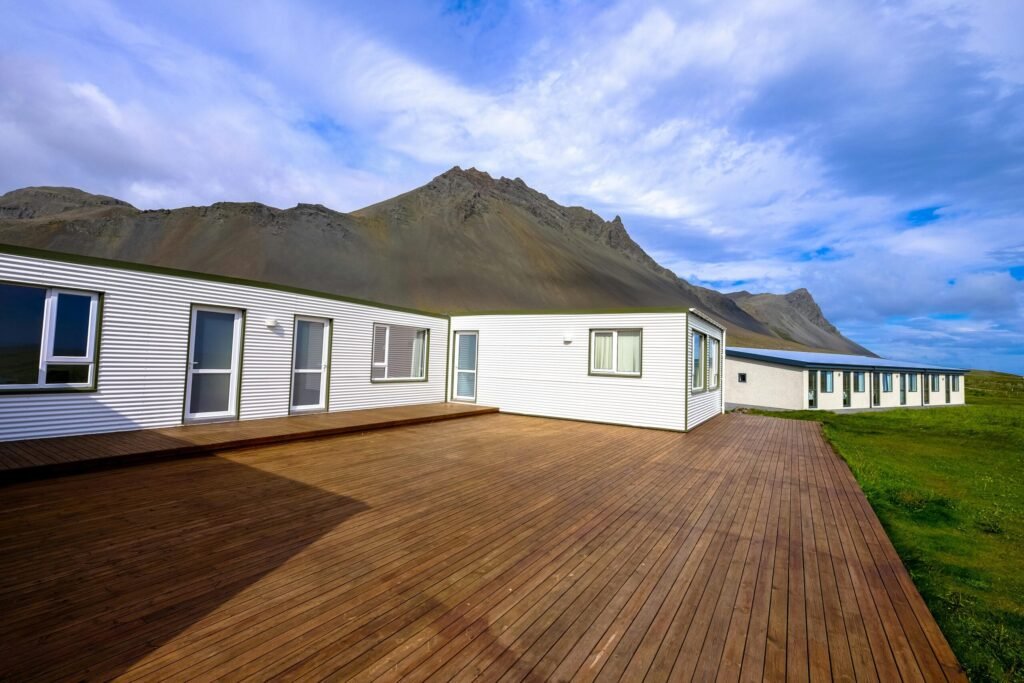
Deck Board Replacement
Swapping out individual boards that have rotted, cracked, warped, or cupped, while matching the surrounding material as closely as possible.
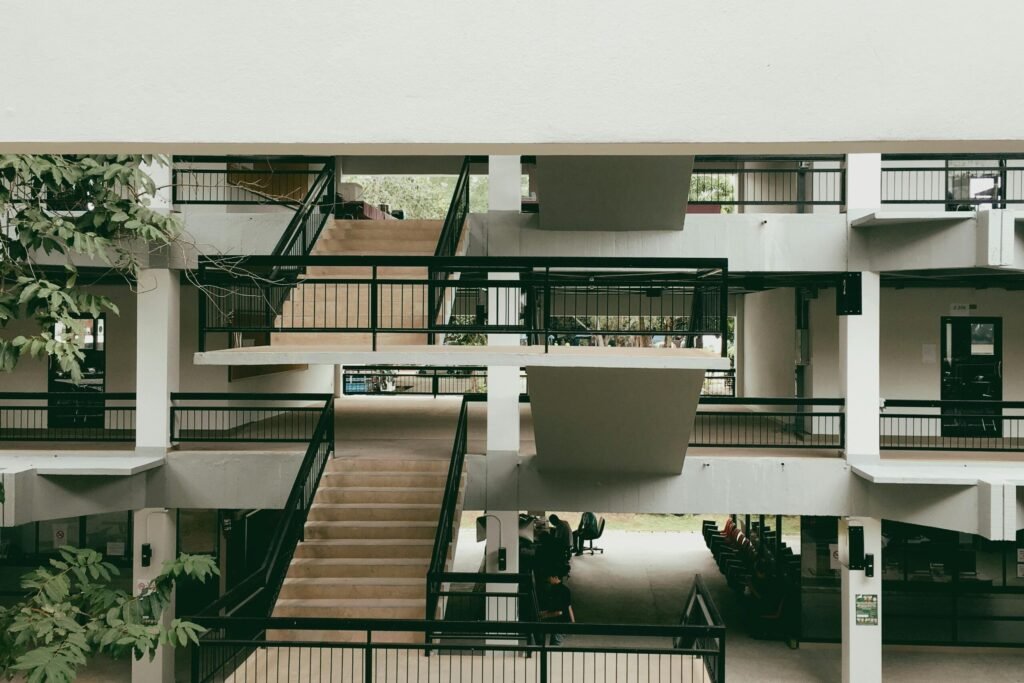
Staircase Repair
Correcting loose stringers, uneven treads, and unstable handrails on deck stairs, which are a common source of safety concerns.
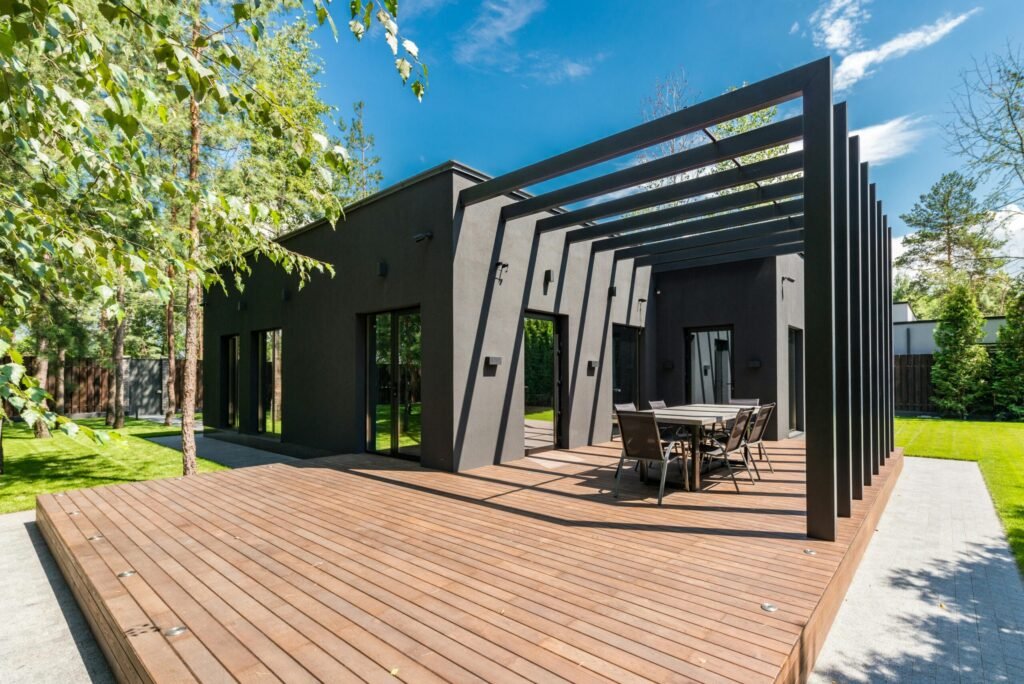
Deck Resurfacing & Refinishing
Sanding, cleaning, staining, or sealing existing wood surfaces to restore appearance and add a protective layer against sun and moisture.
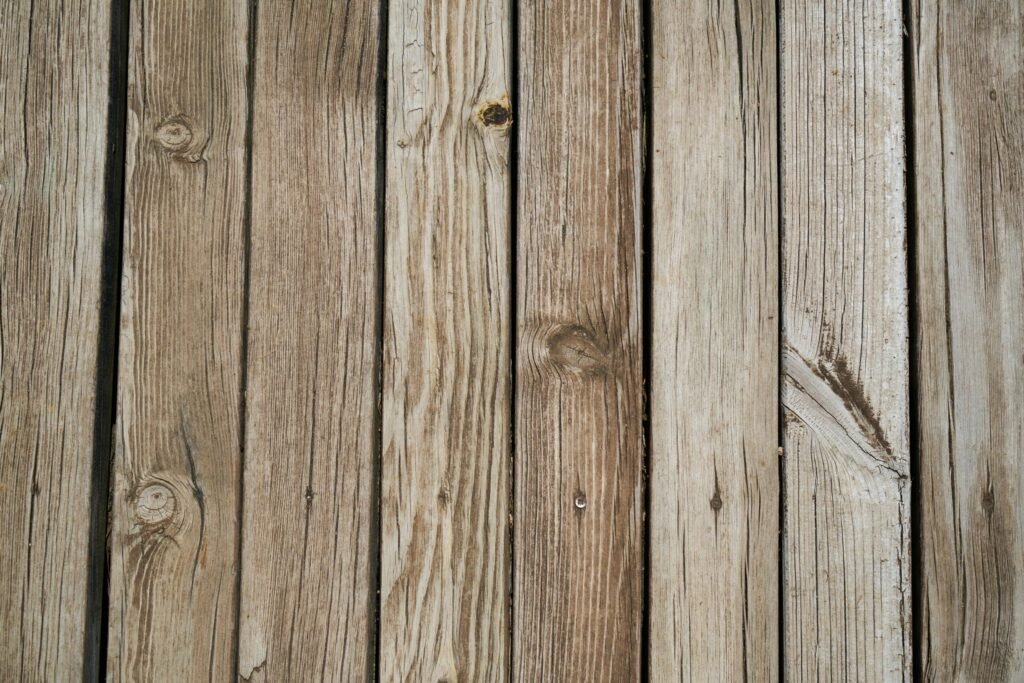
Framing & Structural Repair
Addressing sagging beams, damaged joists, and compromised ledger board connections that affect the deck’s overall stability.
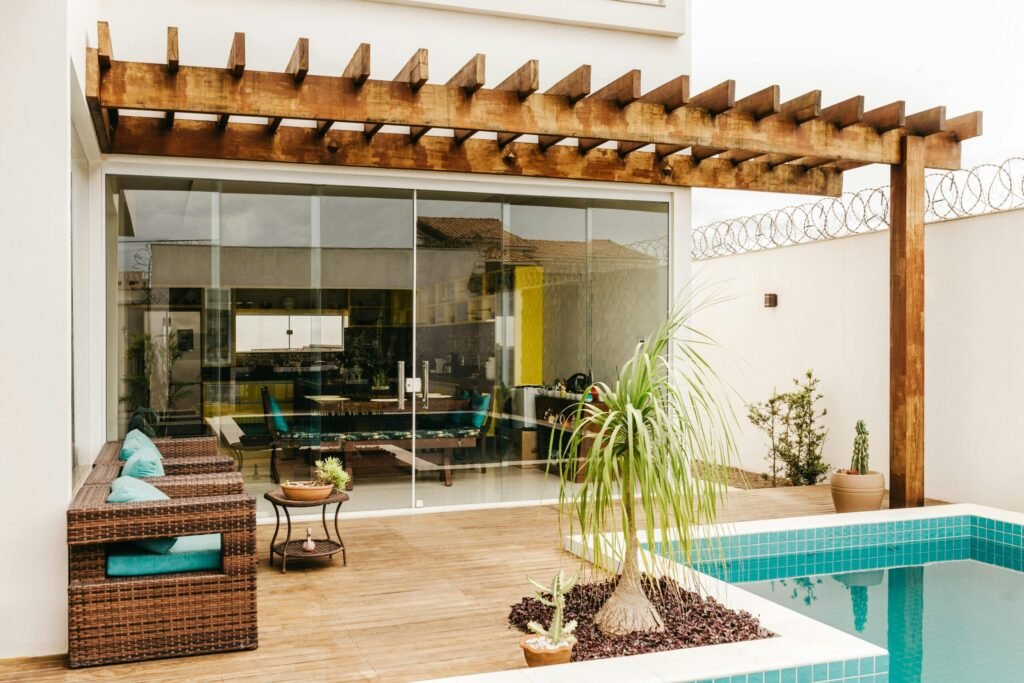
Hardware & Fastener Replacement
Replacing corroded screws, nails, joist hangers, and other connectors, which is especially relevant in coastal environments where metal hardware degrades faster than it would further inland.
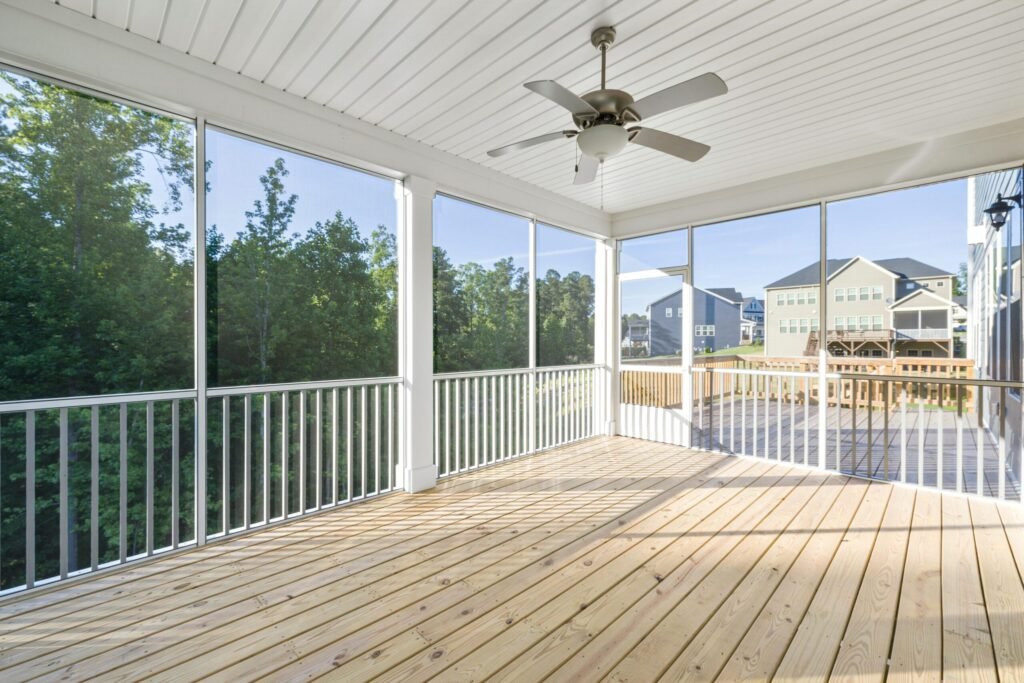
Deck Railing Repair
Re-securing loose posts, replacing damaged balusters, and correcting railing height or spacing issues to restore both safety and code-appropriate function.
Deck Deinstallation & Removal in La Jolla
Sometimes a repair assessment leads to a different conclusion: certain sections of a deck have deteriorated beyond the point where patching makes sense, and partial or full deinstallation is the safer path forward before rebuilding or reframing.
This comes up more often in La Jolla than it does inland. The marine layer along San Diego’s coastline regularly pushes morning humidity into the 85–95% range in neighborhoods close to the water, and that persistent moisture doesn’t evaporate quickly the way it would in a drier inland climate. Salt air compounds the problem — its corrosive effects on exposed metal are strongest within roughly a mile of the coast, which covers essentially all of La Jolla. Galvanized fasteners, joist hangers, and other hardware in coastal decks can corrode noticeably faster than the same components would inland, and that accelerated wear is often what pushes a deck from “repairable” to “needs partial removal.”
When deinstallation is necessary, it’s typically limited to the specific sections affected — a rotted stair stringer, a section of decking with failed framing beneath it, or a railing run whose posts have corroded past the point of re-securing. Full deinstallation is reserved for decks where the majority of the structure has failed, which is more often a precursor to deck replacement than a repair in itself.
A careful inspection distinguishes between hardware and boards that can be treated or replaced in place, and structural components that need to come out entirely. This distinction matters for cost, timeline, and how much of the existing deck can be preserved.
Choosing the Right Materials
When a repair involves replacing decking, railings, or other visible components, material choice matters — both for how the repair blends with the existing deck and for how it holds up going forward.
Composite Decking
Composite decking is a blend of wood fibers and recycled plastic, engineered to resist rot, splintering, and fading better than natural wood.
Benefits: Composite resists moisture damage and insect activity, which makes it a strong choice for repair sections exposed to La Jolla’s coastal humidity. It doesn’t require staining or sealing.
Drawbacks: Composite costs more upfront than pressure-treated wood, and matching new composite boards to older, sun-faded composite decking isn’t always seamless, since color can shift over the product’s lifespan.
Maintenance: Routine cleaning is generally all that’s needed — no sanding, staining, or sealing.
Lifespan: Composite decking commonly lasts 25–30 years or more with minimal upkeep.
Best use cases: Repair sections where long-term, low-maintenance performance matters more than matching an existing wood deck exactly, or full board replacement on decks that were already composite.
Pressure-Treated Wood
Pressure-treated lumber is chemically treated to resist rot and insect damage, and it remains one of the most common decking materials for repairs.
Cost: It’s typically the most affordable repair material, both for materials and installation.
Appearance: It has a more traditional, natural wood look, though it will show grain and occasional knots.
Maintenance: Pressure-treated wood needs regular cleaning and periodic staining or sealing — generally every 1–3 years — to prevent moisture damage and fading, which is especially important given La Jolla’s humidity.
Lifespan: With consistent maintenance, pressure-treated decking typically lasts 10–15 years, though coastal conditions can shorten that range if upkeep lapses.
Best applications: Repairs where matching an existing pressure-treated deck is the priority, or budget-conscious replacement of failed boards and framing.
Cedar & Redwood
Cedar and redwood are natural softwoods prized for their color and grain, and they’re a common choice where appearance is a priority.
Appearance: Both offer a rich, natural look with attractive grain patterns that many homeowners prefer over composite or pressure-treated alternatives.
Durability: They contain natural oils that provide some resistance to rot and insects, though less than composite decking offers.
Maintenance: Cedar and redwood need regular sealing or staining — typically every 1–2 years in a coastal climate — to preserve their color and protect against moisture and UV exposure.
Natural beauty: Their appearance is a primary reason homeowners choose them, particularly for decks that are a visual focal point of the yard.
Typical lifespan: With diligent maintenance, cedar and redwood decks can last 15–20 years, though humidity and salt air exposure in La Jolla make consistent upkeep especially important.
No single material is the right choice for every repair. The best option depends on what’s already installed, your budget, and how much ongoing maintenance you’re willing to take on.
How Much Does Deck Repair Cost?
| Project | Typical Cost Range | Main Cost Factors |
|---|---|---|
| Minor board replacement (1–5 boards) | $300 – $900 | Material type, accessibility, matching existing boards |
| Railing repair or partial replacement | $500 – $2,500 | Railing material, length, post condition |
| Staircase repair | $600 – $2,000 | Number of steps, stringer condition, code compliance |
| Structural/framing repair | $1,500 – $6,000+ | Extent of rot or damage, joist and footing condition |
| Partial deck deinstallation | $800 – $3,500 | Section size, material, disposal, access |
| Full deck resurfacing | $3,000 – $10,000+ | Deck size, material upgrade, existing frame condition |
These figures reflect typical Southern California pricing and can vary based on your deck’s specific condition. We never provide exact pricing without an on-site assessment.
Factors that affect repair cost include:
- Deck size and how much surface area needs attention
- Material choice for replaced sections
- Whether stairs are involved
- Railing material and length
- Lighting or electrical components integrated into the deck
- Demolition or deinstallation of damaged sections
- Foundation or footing work, if required
- Site accessibility, including hillside or bluff-adjacent properties common in La Jolla
- Multi-level deck designs, which add complexity
- Custom features like built-in seating or planters
Why Homeowners Choose Deck Builder La Jolla
Quality Craftsmanship
We approach every repair with the same attention to detail as a full build — matching materials, securing connections properly, and making sure repaired sections integrate cleanly with the rest of the deck.
Premium Materials
Whether we’re replacing a few boards or reinforcing framing, we use materials suited to how they’ll actually perform in La Jolla’s coastal conditions.
Clear Communication
You’ll know what we found during inspection, what we recommend, and why — before any work begins.
Professional Project Management
From the first visit to the final walkthrough, repairs are scoped, sequenced, and completed with minimal disruption to your outdoor space.
Homeowner-Focused Service
We provide honest assessments, including telling you when a repair makes more sense than a replacement — or vice versa.
Contact Deck Builder La Jolla Today
Let’s chat about your ideas! Getting started is easy – simply reach out with details about your Deck project!
Need Help?
Frequently Asked Questions About Deck Repair in La Jolla
Below are some of the most common questions Our Network get from families about Deck Projects. If you have any other questions contact us!
How much does deck repair cost in La Jolla?
Costs vary widely depending on the scope — minor board replacement might run a few hundred dollars, while structural framing repair can run several thousand. An on-site assessment is the only way to get an accurate estimate for your specific deck.
How long does a typical deck repair take?
Timelines depend on scope. Minor repairs, like replacing a few boards, can often be completed quickly, while structural repairs involving framing or footings take longer. We’ll provide a realistic estimate after inspecting your deck.
Should I repair my deck or replace it entirely?
It depends on how much of the structure is still sound. If the frame and footings are solid and only isolated components have failed, repair is usually the more practical option. If damage is widespread, deck replacement may make more sense long term.
Is composite or wood better for deck repairs?
Neither is universally better. Composite requires less maintenance and holds up well in humid, coastal conditions, while wood offers a more traditional look at a lower upfront cost but needs more regular upkeep. The right choice depends on your existing deck and priorities.
How long will my repaired deck last?
That depends on the material and how well it’s maintained afterward. Composite repairs can last decades with minimal care, while wood repairs generally need resealing every 1–3 years to reach their full 10–20 year lifespan.
Are loose railings actually a safety issue?
Yes. Loose or wobbly railings are one of the more common safety concerns we address, and they should be repaired promptly rather than left as a minor annoyance.
Repair, resurface, or rebuild?
The repair calculator prices all three paths side by side. Tell it what you are seeing — soft boards, a loose rail, rust at the hangers, movement at the house — and it will tell you which way the numbers point.
Every calculator gives a planning range with a full cost breakdown — it is not a contractor quote.
Talk to a Deck Builder in La Jolla
Whether you’re in Bird Rock, La Jolla Shores, Muirlands, La Jolla Village, Windansea, or any other La Jolla neighborhood, finding the right contractor for your deck repair starts with understanding your options and getting connected with professionals who know this area’s coastal conditions firsthand. Our team helps homeowners throughout La Jolla and nearby communities like Pacific Beach, Point Loma, University City, Hillcrest, Mission Valley, Clairemont, Mira Mesa, and Coronado get their deck back to safe, solid condition.